Cart Ruts – A Global Archaeological Mystery
1. Introduction
With the exception of Antarctica (to the best of my current knowledge), parallel grooves can be found on all continents in various types of rock. At first glance, they appear to resemble fossilized vehicle tracks and share the same characteristics.
According to the current state of knowledge, these are very likely not natural geological structures, but artificially formed features whose origin, purpose, and creators remain unknown.
For this real and existing mystery, various terms can be found. The most common one is cart ruts, but other expressions such as rock tracks, abrasion marks, track grooves, or cart tracks are also used. In recent years, however, the term cart ruts has become widely established, largely due to the extensive areas featuring these tracks on the Maltese islands.
This is not an ordinary, and perhaps easily explainable, enigma. The characteristics of these tracks and the often bizarre details found in their surroundings stubbornly resist any logical and coherent explanation. Depending on the region and country, various—and often contradictory—attempts at explanation exist.
Of course, I am aware of the controversy this topic raises, because how can it be that 57 years after the first manned Moon landing, there still exists—here on our own planet and right beneath our feet—an archaeological mystery for which no satisfactory answers have yet been found?
In my view, there are several reasons for this. First, the tracks appear rather modest and inconspicuous; they are often heavily eroded and barely visible. Compared to spectacular constructions of the past, such as the pyramids found worldwide, they receive little attention. And when they are noticed, the natural assumption is that they were left behind by carts in the past. The fact that, for example, there are not even the slightest traces of draft animals is hardly taken into account. In addition, there are many other unexplained details in the surroundings of these tracks.
Another reason is that people who have never seen such tracks or even heard of this mystery will find it difficult to believe when confronted with the existence of seemingly fossilized vehicle tracks—and may even assume it is some kind of joke. Only when one takes a closer and more sustained look does it become clear that this is an extremely peculiar mystery of the past.
Occurrence
According to the current state of knowledge, cart ruts can be found in the following regions: Easter Island (Chile), Brazil, Mexico, the USA, the Azores, Portugal, Scotland, France, Spain (including Mallorca and Menorca), Algeria, Libya, South Africa, Italy (including Sardinia and Sicily), Germany, Austria, Switzerland, Croatia, and Cyprus.
Particularly extensive occurrences have been identified in western, central, and eastern Anatolia (Turkey). Further examples exist in Crimea, Azerbaijan, India, China, Japan, and Australia.
However, the probably best-known sites are located on the Maltese islands of Malta and Gozo.
For twelve years now, I have been collecting information on this subject, and it is surprising to observe that previously unknown areas with cart ruts continue to be discovered time and again—mostly through online research, but also through chance finds during my field trips.
Characteristics of Cart Ruts
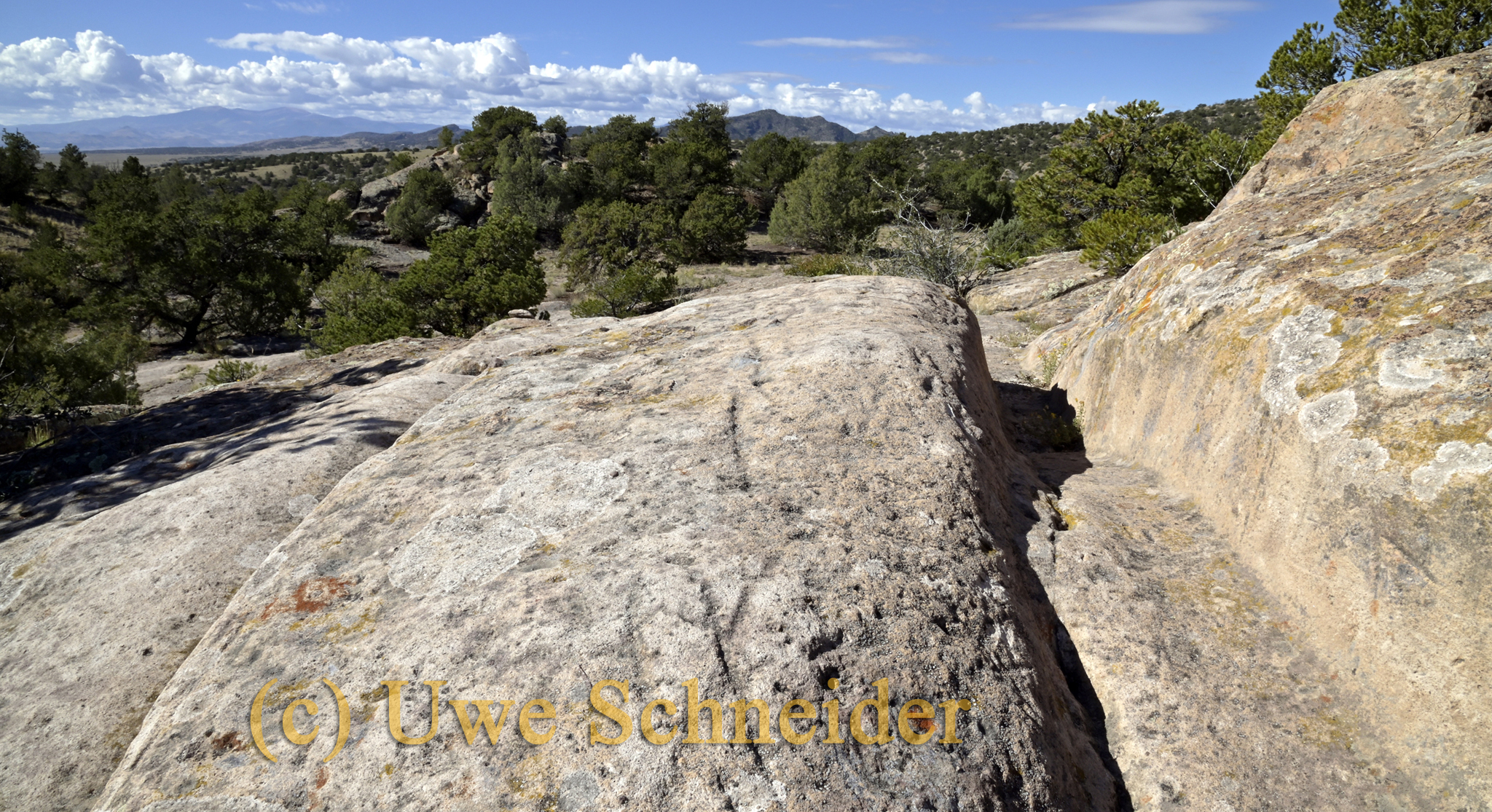
Cart ruts appear as parallel grooves in various types of rock, creating the impression that they are tracks left by vehicles unknown to us. In archaeology, it is generally assumed that they were formed by carts drawn by animals. According to the current state of knowledge, these tracks are found in limestone, volcanic tuff deposits, sandstone, and granite.
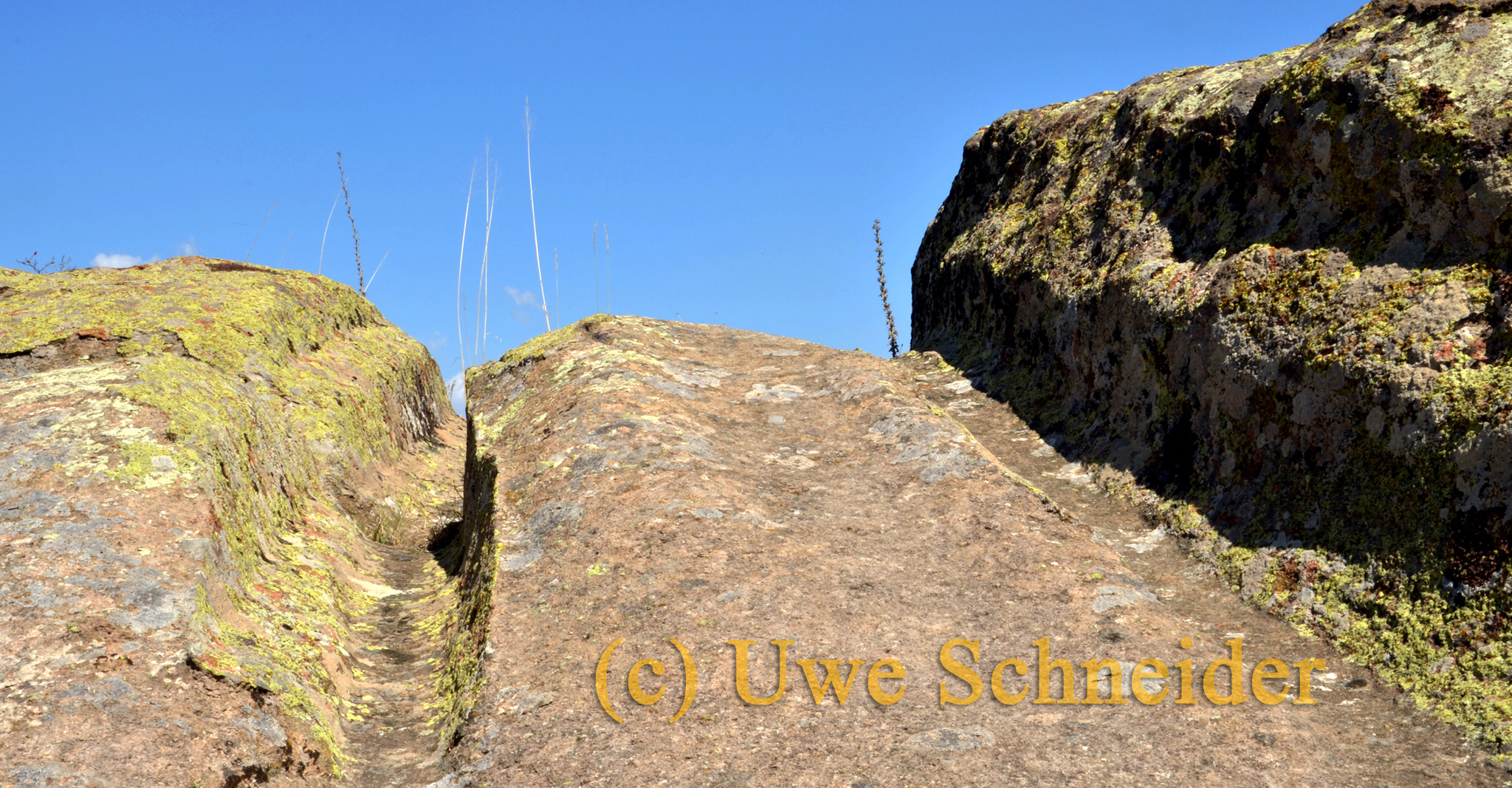
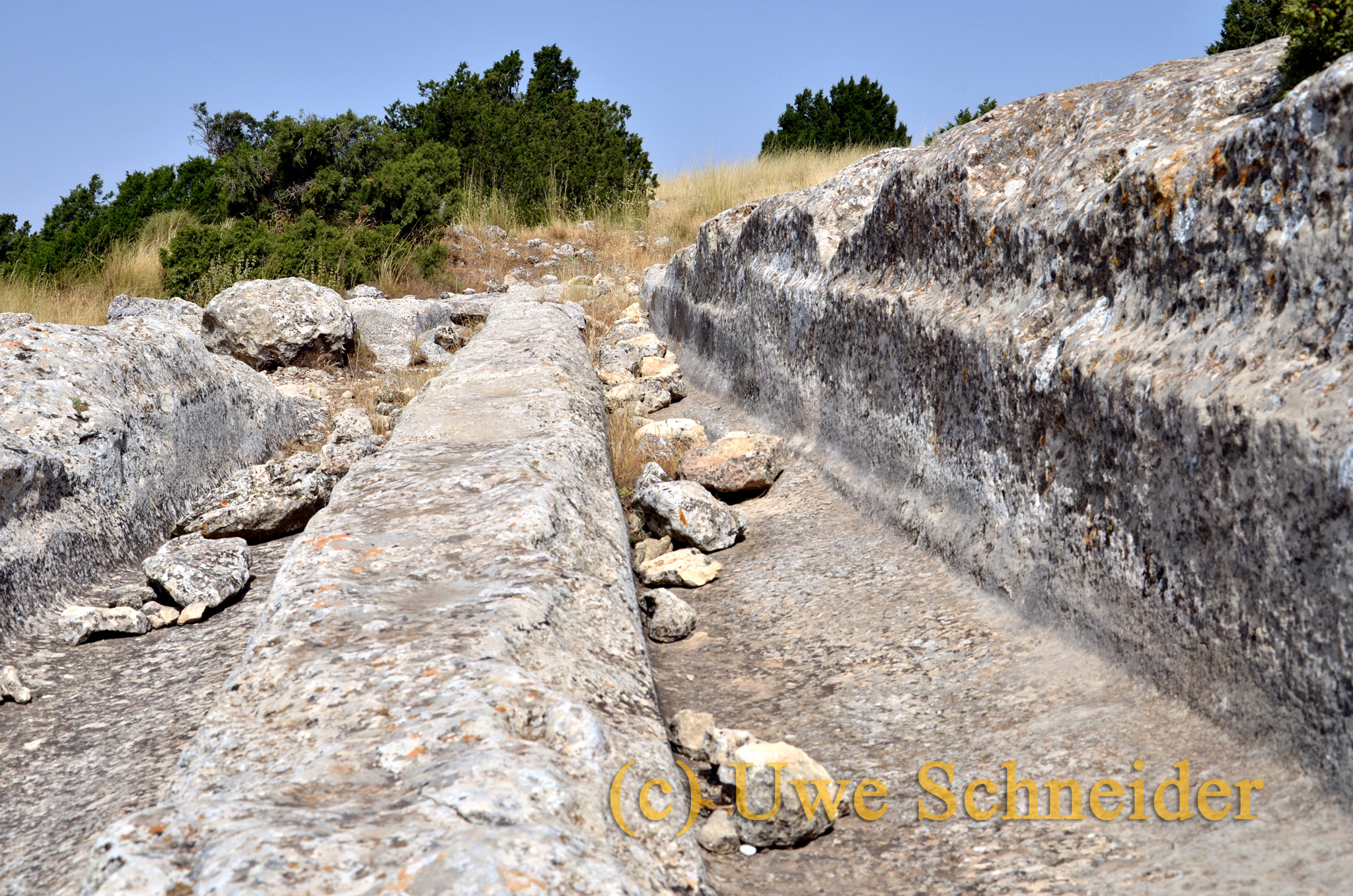
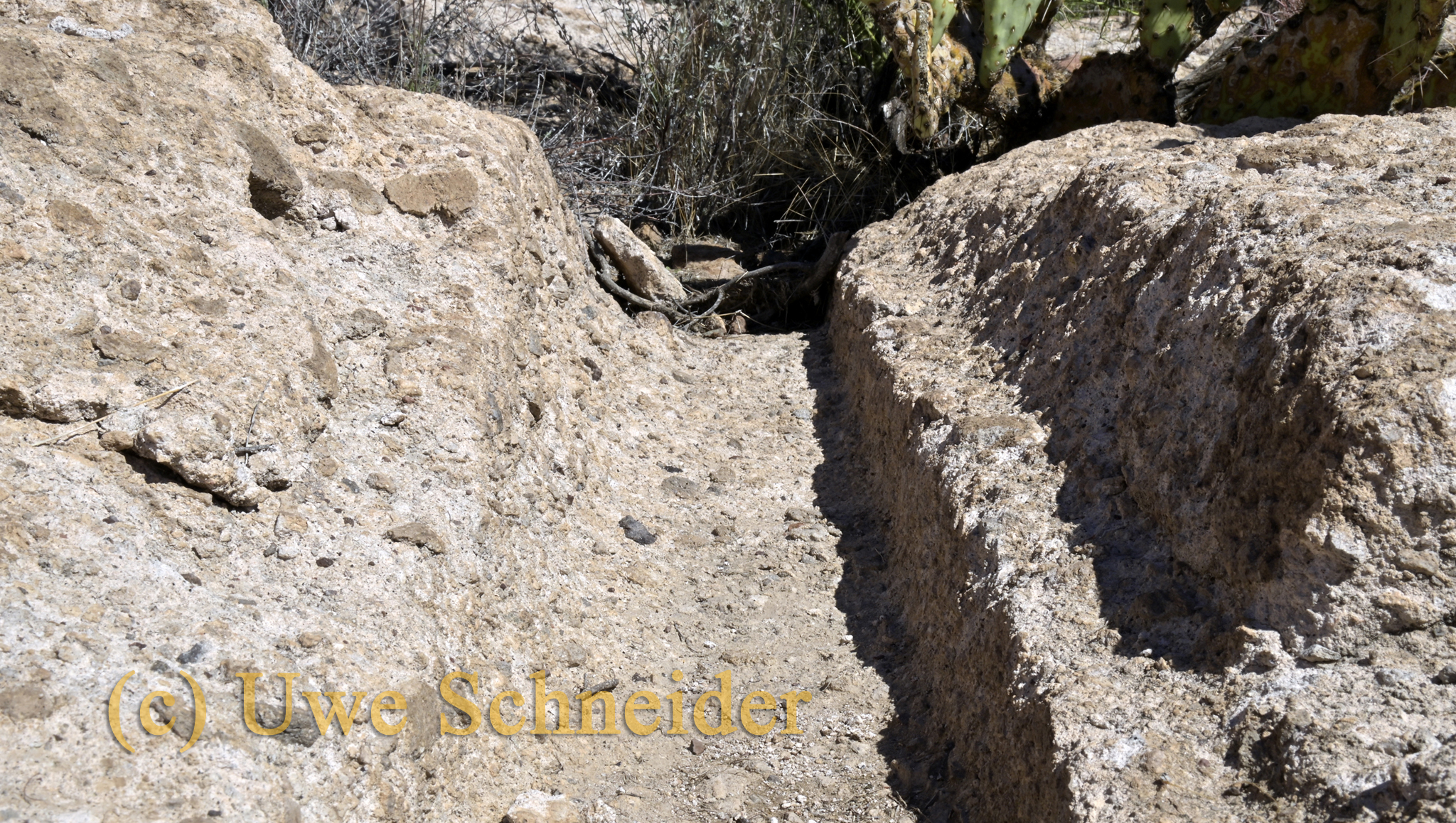
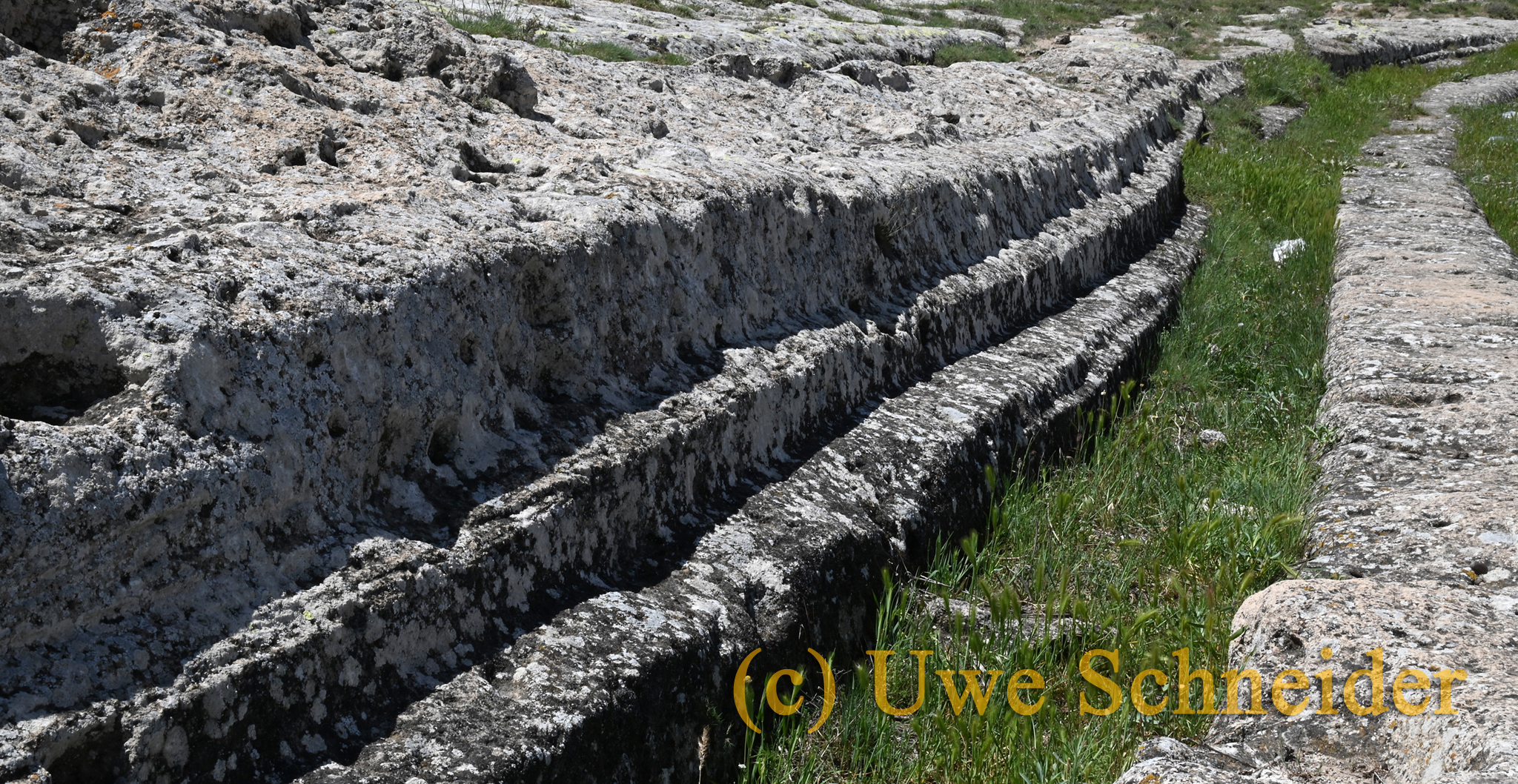
With regard to the appearance of the tracks, it is noticeable that there are mainly two different forms. We find V-shaped incisions with tracks only a few centimeters wide (Fig. 2), which can have a flat or rounded base. The second type has a significantly wider, flat track base between almost vertical side walls. This variant occurs more frequently in southern regions, whereas the first type can be observed, for example, north of the Alps or within the Alpine region.
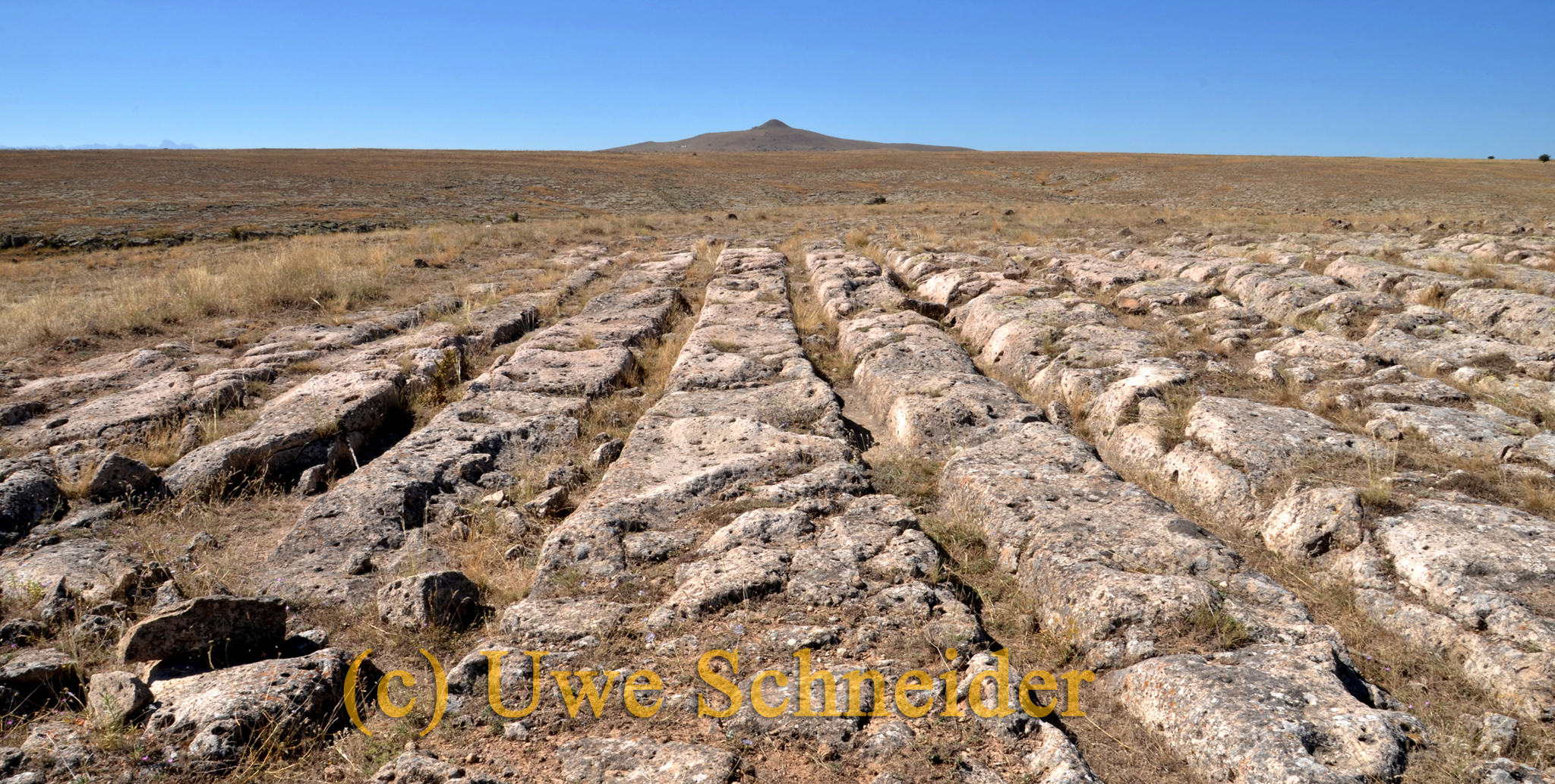
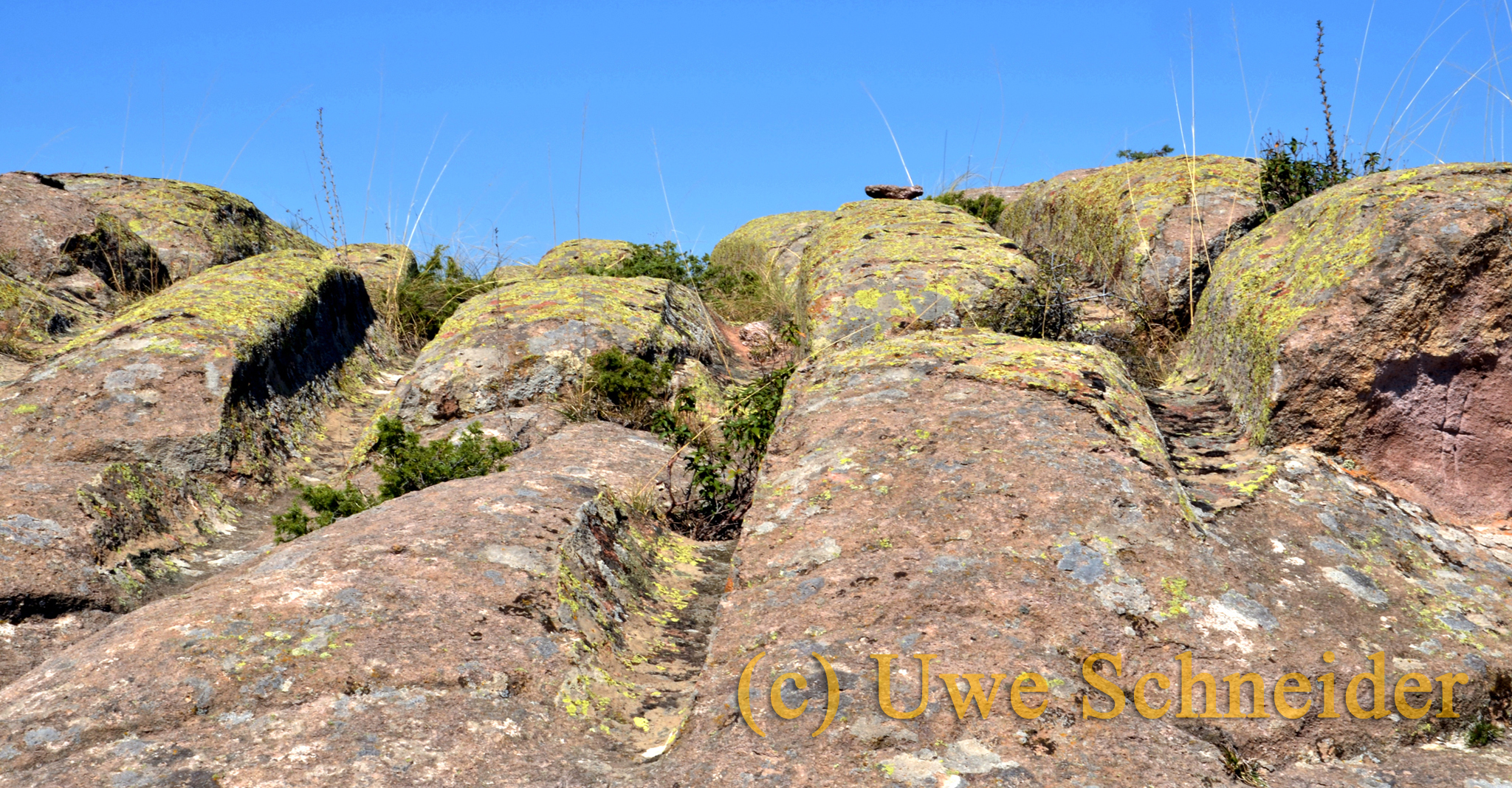
On Malta, both variants can be found in large numbers, whereas in western Anatolia, Cappadocia, and eastern Anatolia (Turkey), only the tracks with a wide base are present
(Fig. 1). Only in western Anatolia was I able to document a very short and heavily eroded fragment with a narrower, rounded track base.
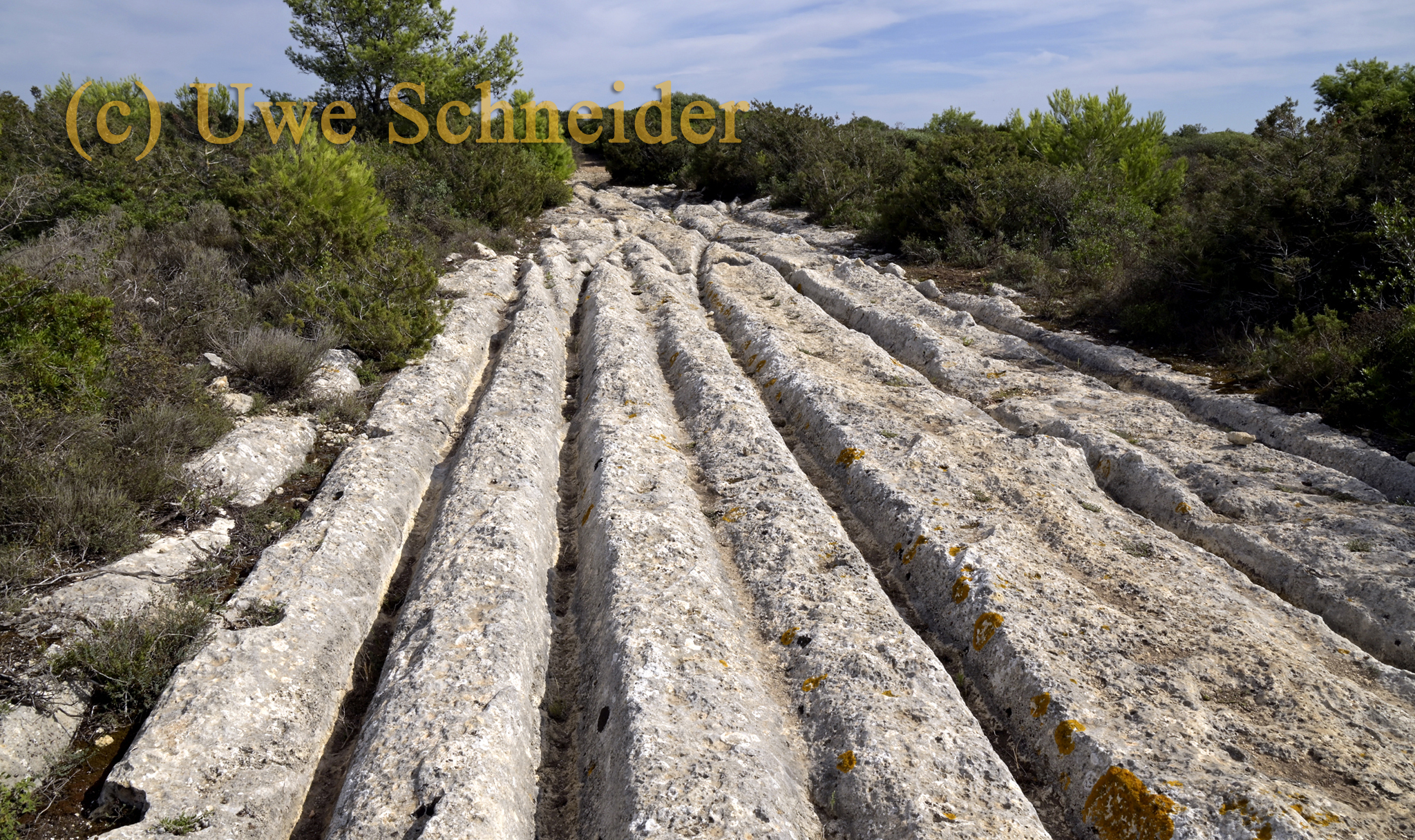
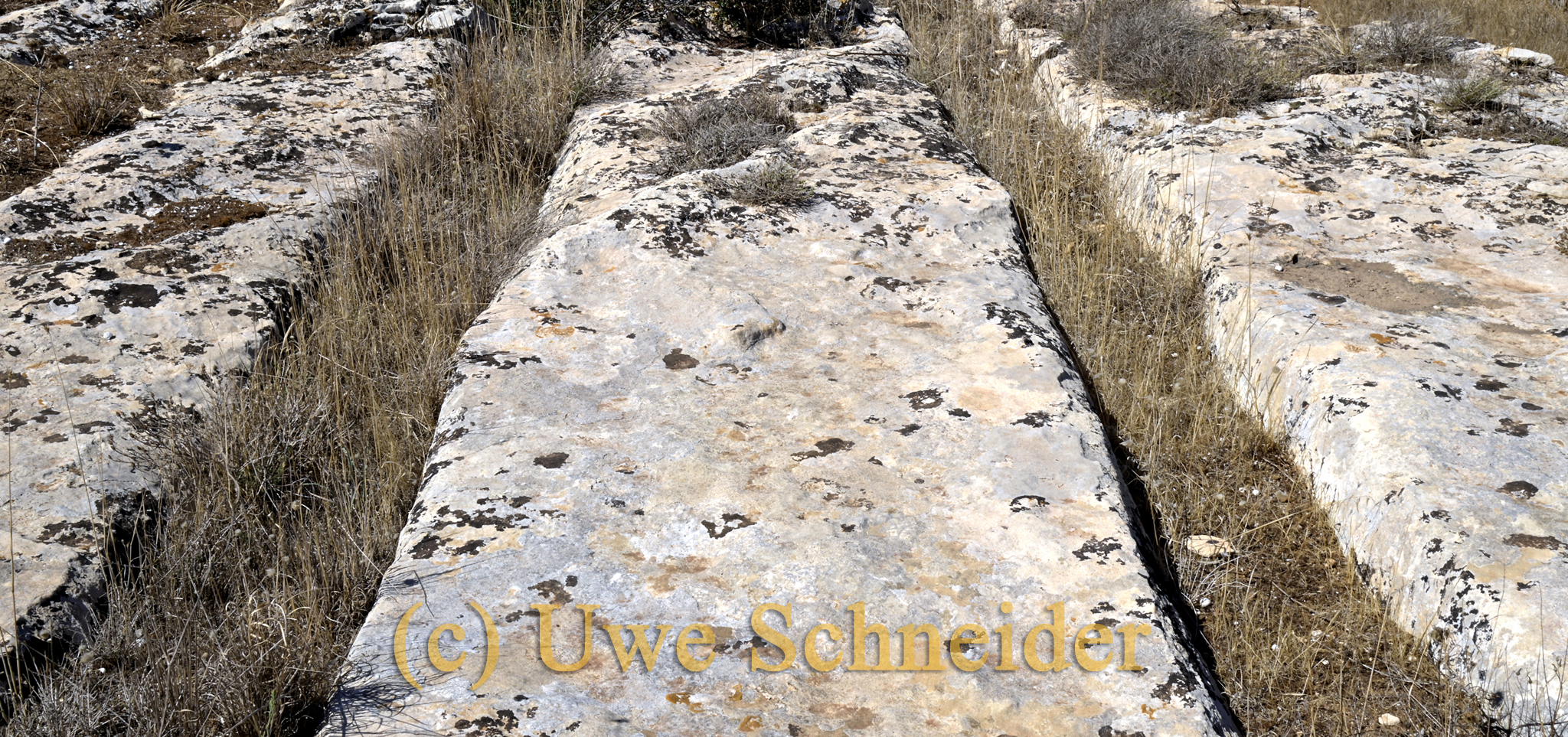
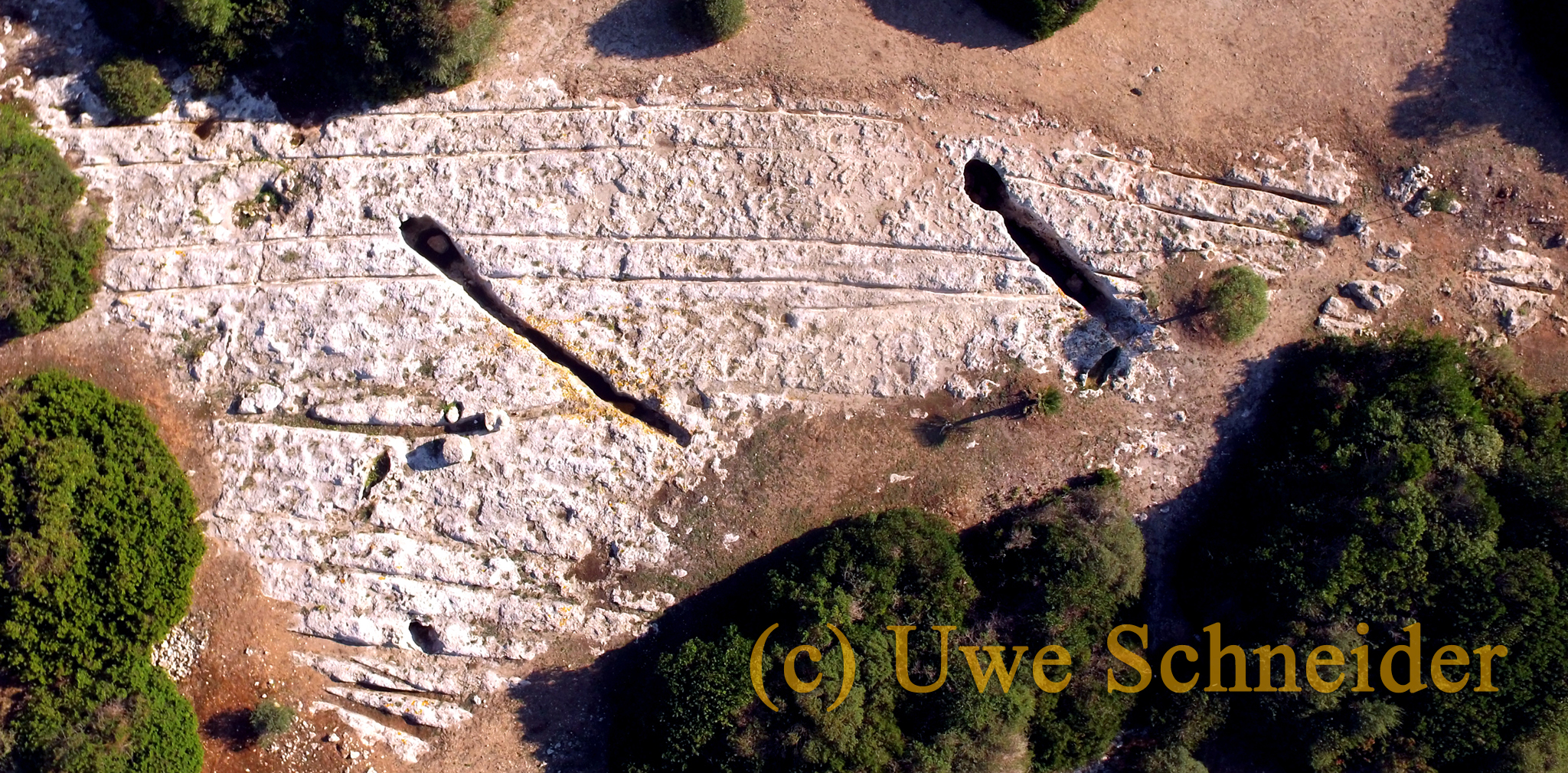
In addition to tracks that are set into flat rock surfaces (Fig. 3), there are also tracks that lie more or less deeply within the rock as a whole, including the space between the two grooves (Fig. 4). This creates the impression that working even the hardest rock was not a problem and thus recalls the stonework found worldwide, whose creation, in my opinion, also remains an unsolved mystery.
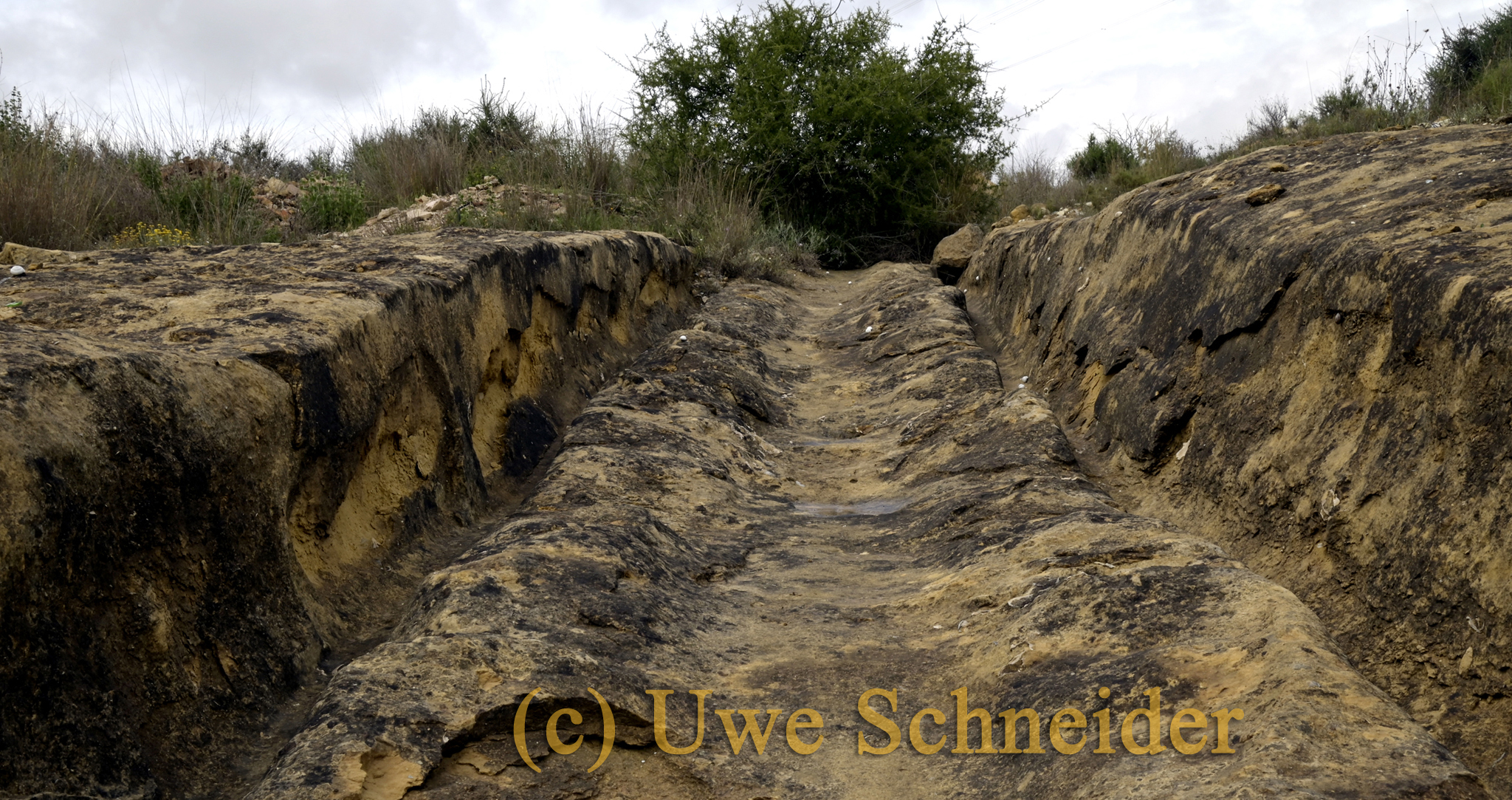
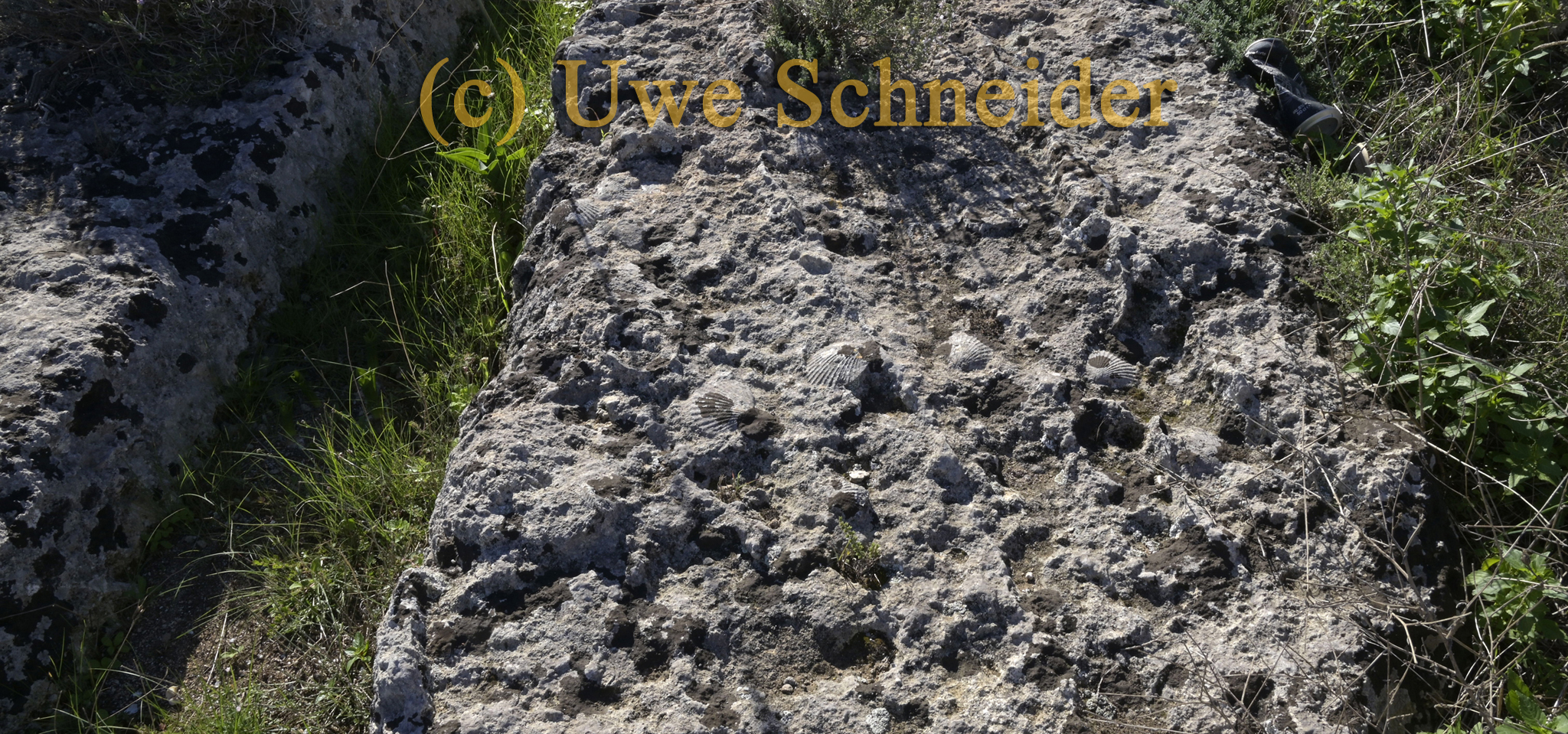
A remarkable observation at the base of such a depression between the two grooves is the presence of intact fossilized shells within the limestone (Fig. 5). How is it possible that these shells remain completely undamaged—and even very well preserved—after what was presumably a forceful intervention in the rock?
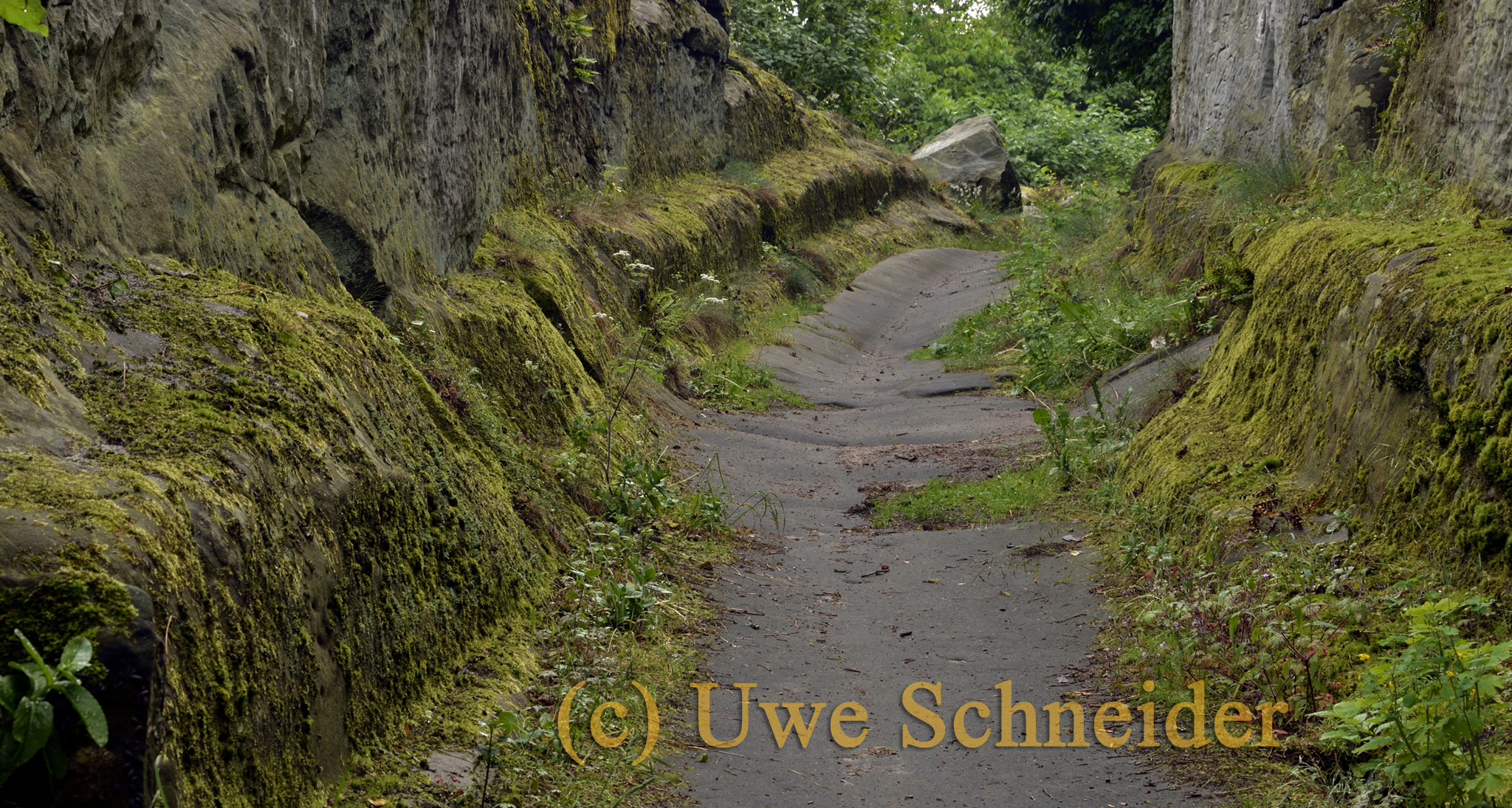
In the surroundings of these deeply embedded tracks, terrace-like modifications in the rock can occasionally be observed, creating the impression that there may have been different phases of formation. Such features can be seen in the USA, Germany, France, Turkey, and Spain (Figs. 6 and 7).
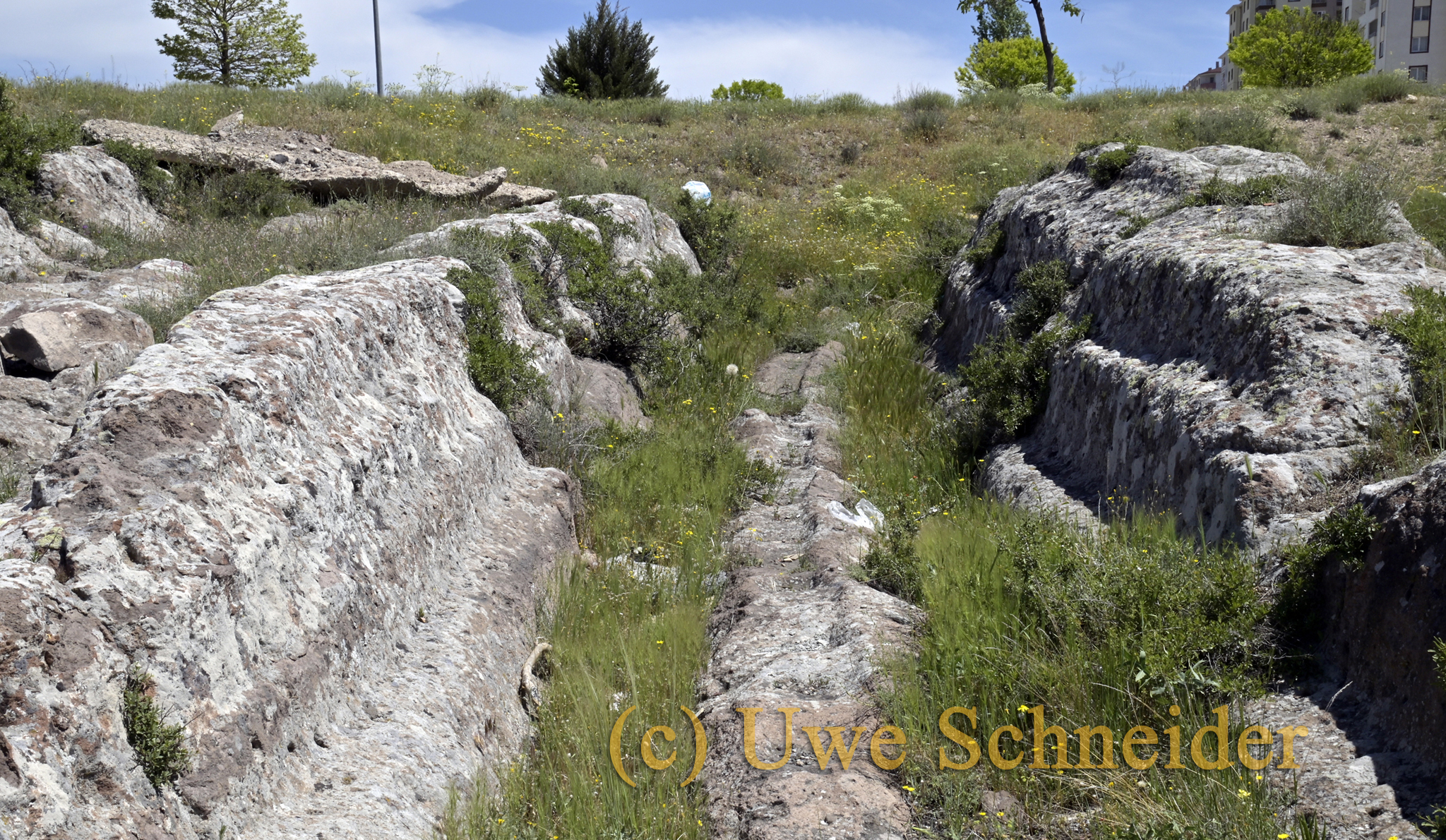
In addition, there are even deeper rock cuttings—up to approximately 3 meters deep—along the base of which the cart ruts run. The reason for this is unclear; it would always have been possible to avoid such rock barriers or to continue the route elsewhere across the rock surface. As is often the case, clear grinding and scratch marks can be observed on the side walls of these cuttings (Figs. 8 and 9).
These features have been documented in Germany, Italy, France, Spain, Austria, Switzerland, the USA, western Anatolia, Cappadocia (Turkey), and Japan.
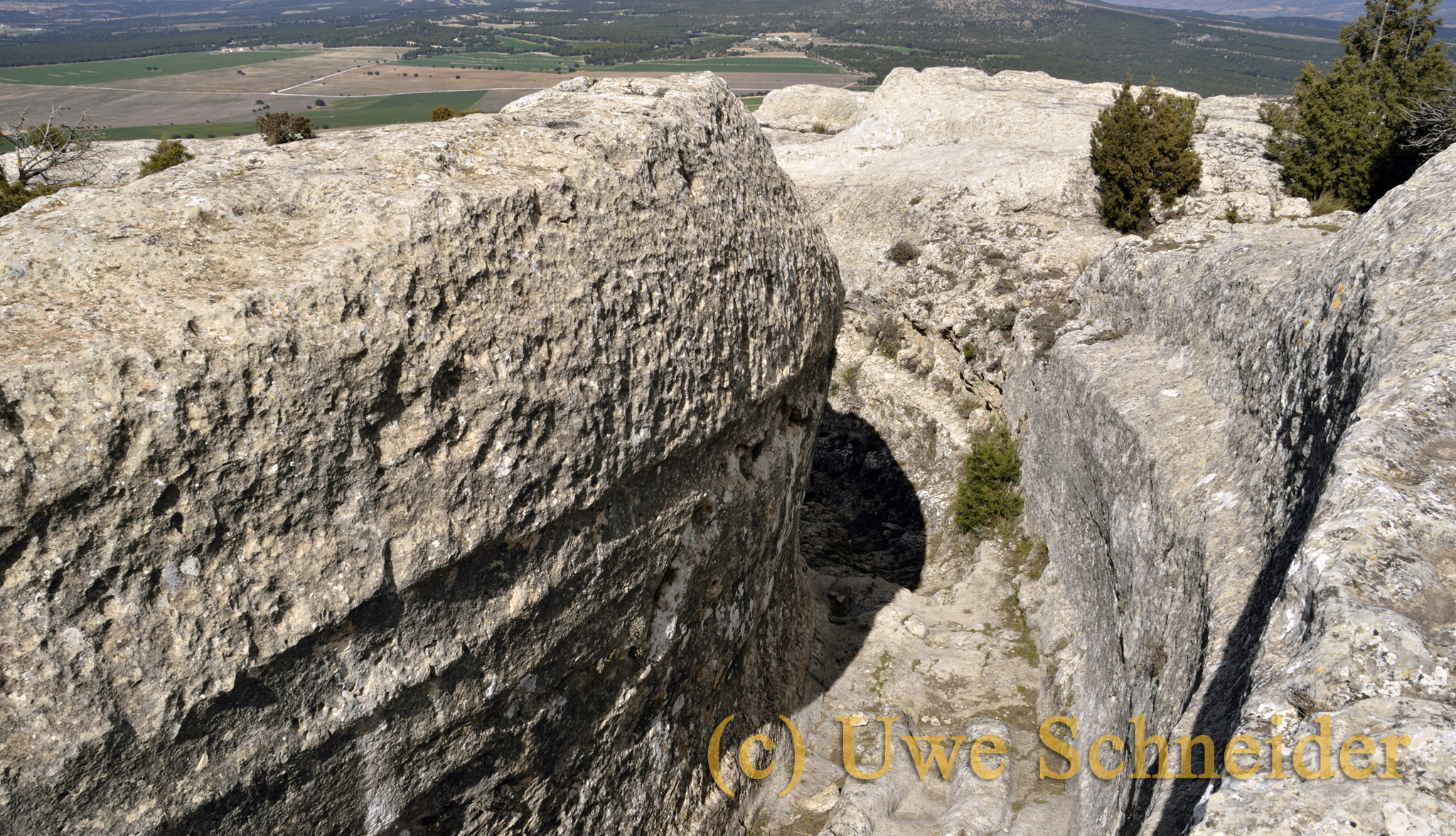
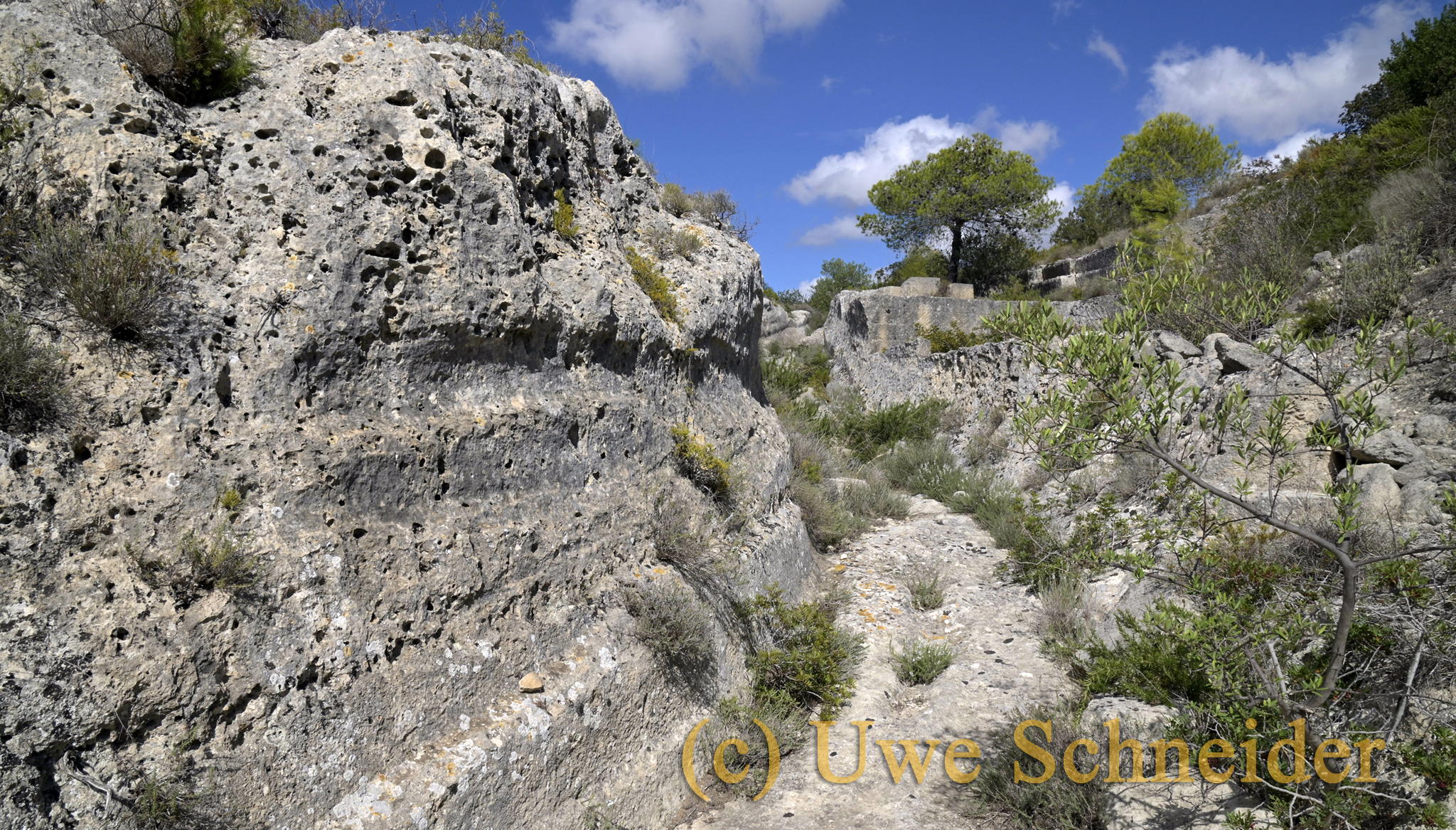
For example, the track in Spain is located on the limestone plateau of Castellar de Meca and runs for a length of approximately 200 meters, cutting two to three meters deep into the limestone. This raises the general question of how such cuttings in limestone, sandstone, and volcanic tuff were created, as chisel marks are extremely rare.
Worldwide, there are a number of tracks in which the left and right track bases lie at different heights due to the terrain—while the bases themselves remain horizontal. How could this have functioned from a vehicle-technical perspective? Such observations are difficult to explain using conventional vehicle models.
These features have been documented in the USA, on Malta, and in Turkey (Figs. 10 and 11).
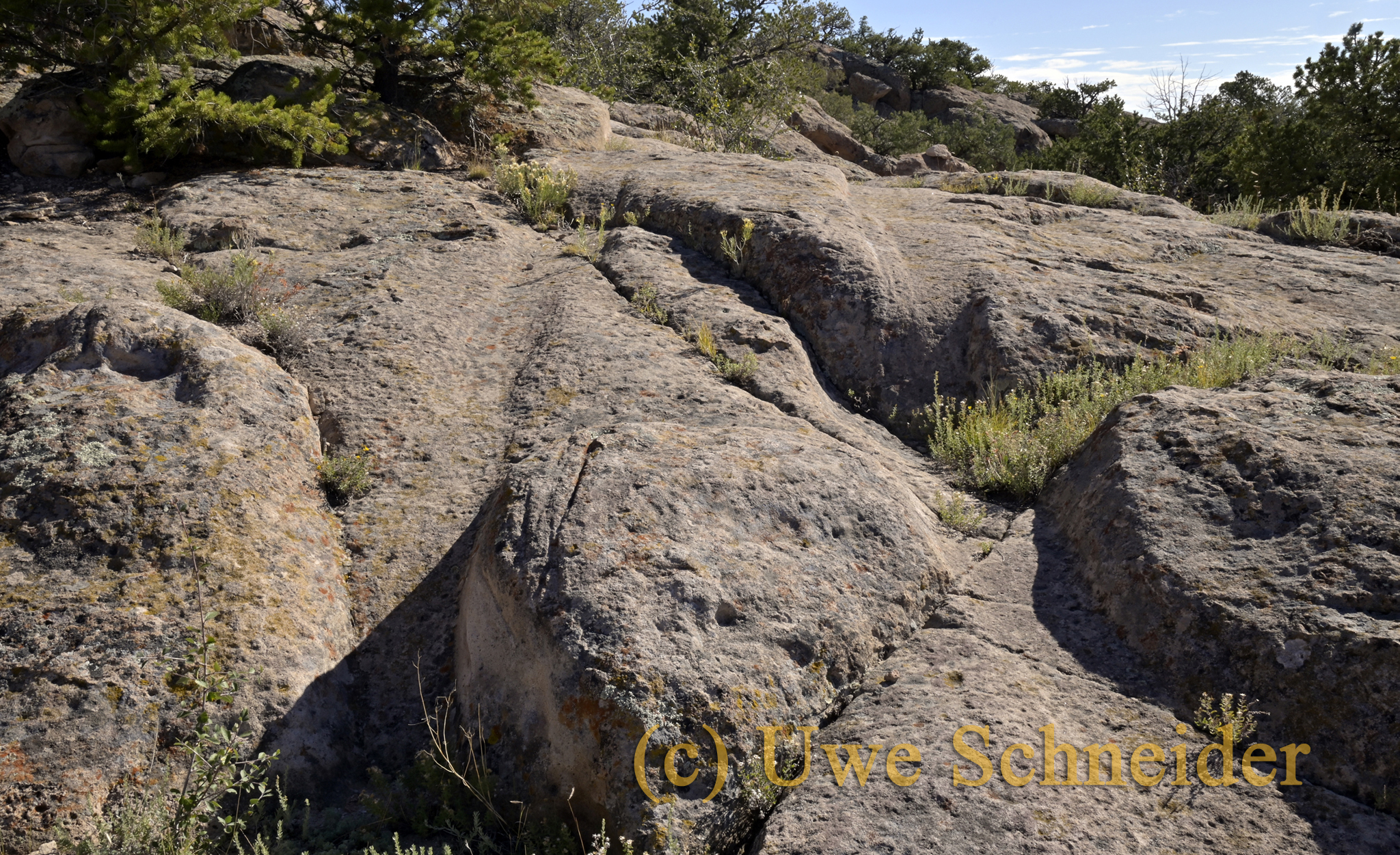
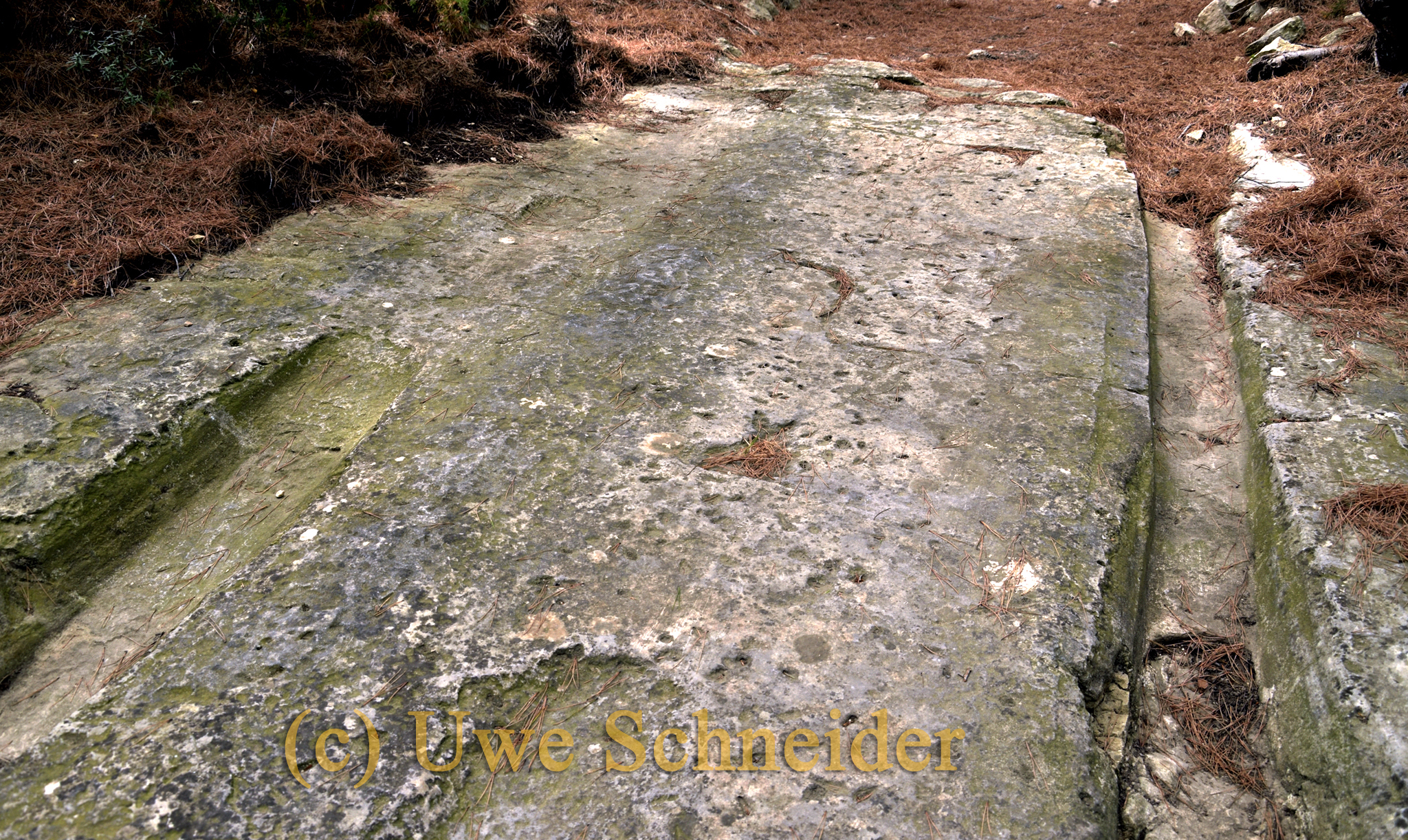
In Sigean near Narbonne, France (Fig. 12), a curious detail can be observed on a remarkably well-preserved track: when looking toward the northwest, the left groove disappears for about 3 meters, as if the vehicle had continued only on the right side. Apart from a small imprint of around 20 cm in length, only the smooth surface of the limestone remains visible. There is no clear indication of a track—only a slight smoothing of the surface can be observed.
Short interruptions of the tracks are also known from Turkey and the USA.
Another peculiarity is changes in track width, which can occasionally be observed.
Further Features in the Surroundings of the Tracks
Not infrequently, modifications in the rock can be found in the center of the cart ruts and/or in their immediate surroundings, the interpretation of which is currently also unclear.
I have documented many cart ruts in which a broad area of wear appears in the center, resembling grinding marks—for example on Malta, in France, Spain, Italy, Azerbaijan, and Turkey.
The idea that these are depressions gradually formed by draft animals is not convincing, as chaotic central grooves can also be found.
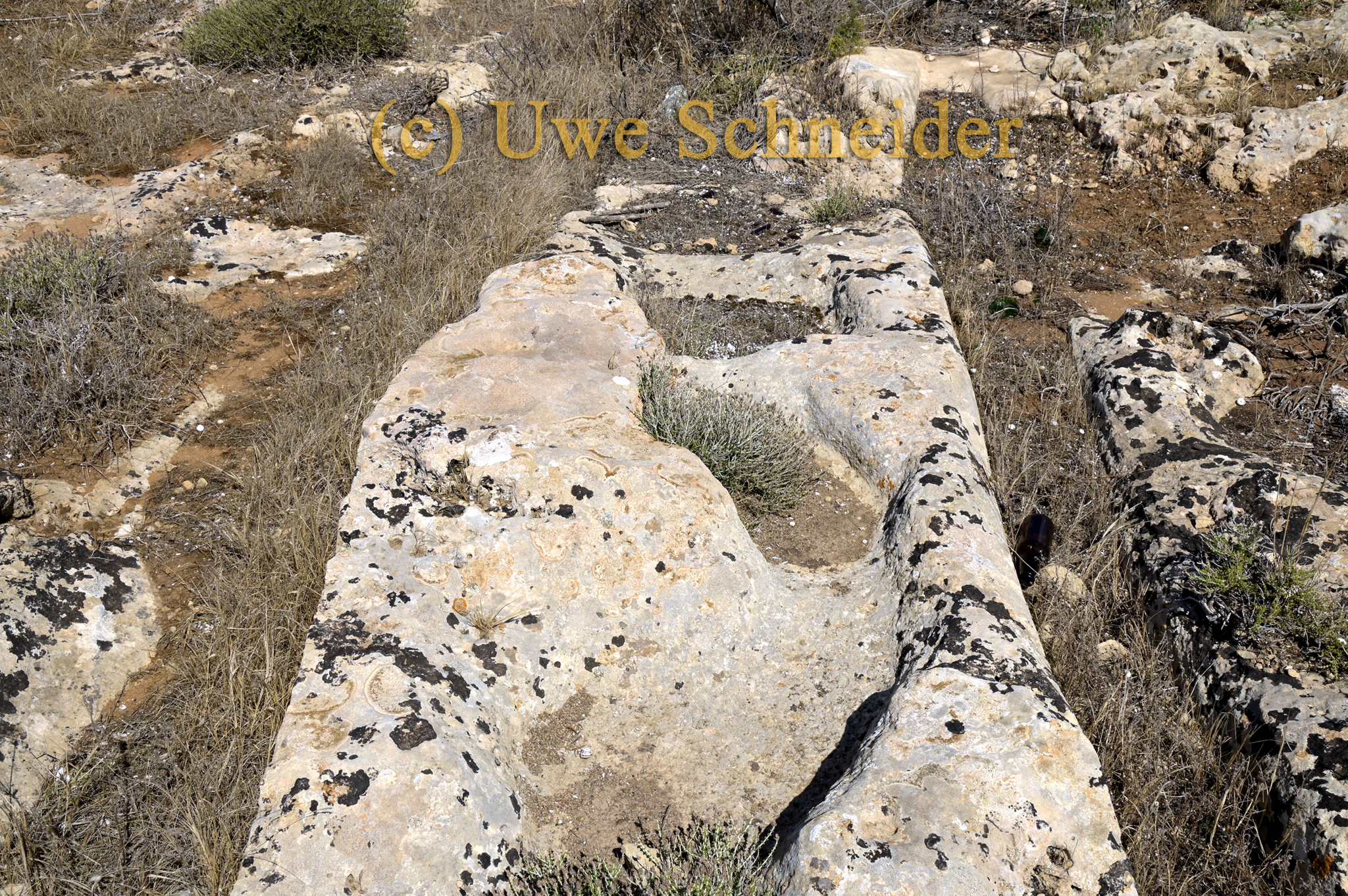
Another peculiarity is the presence of stamp-like depressions both within and outside the tracks, currently known from Sicily, Malta, the USA, and Cappadocia, Turkey.
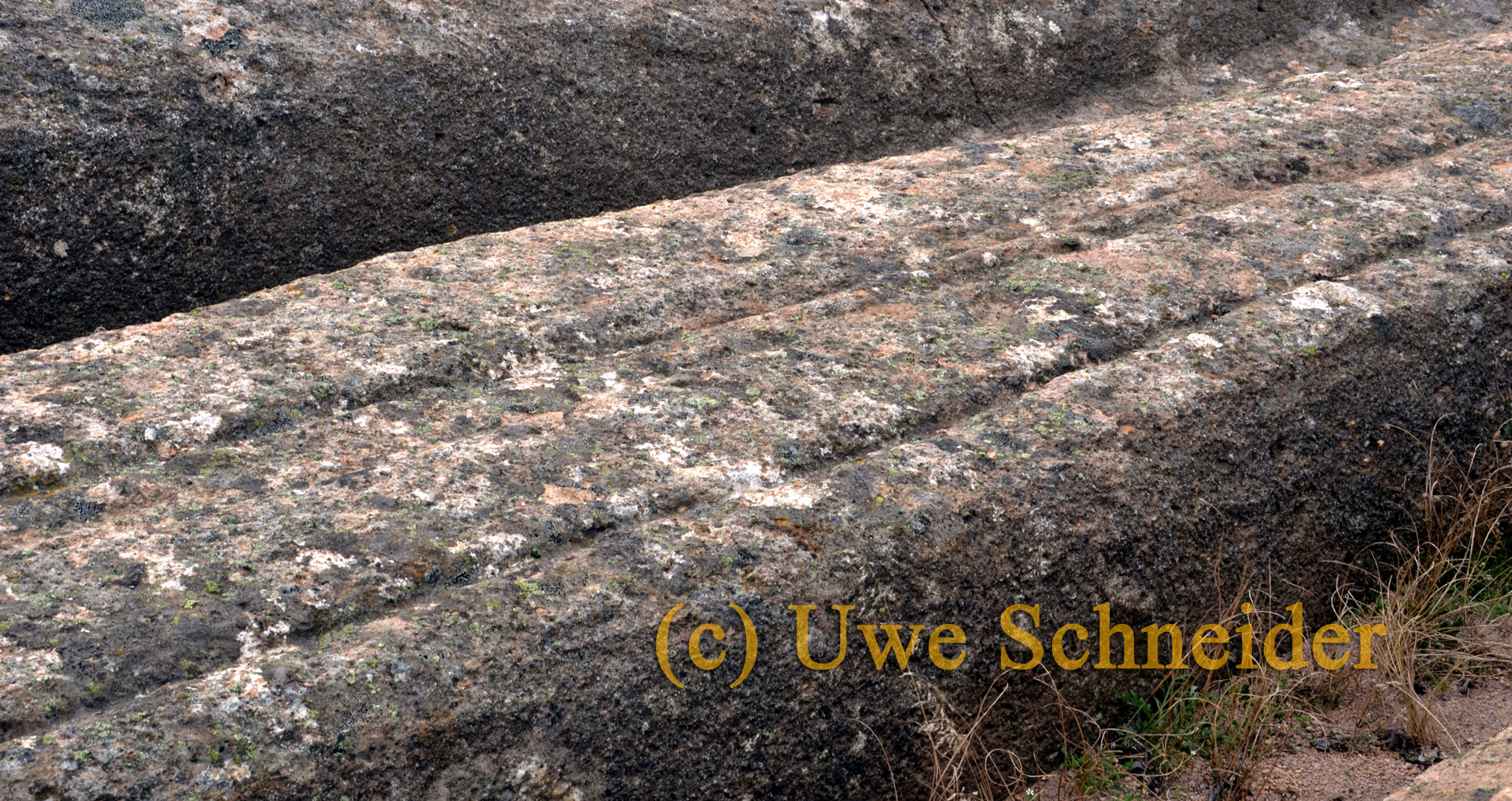
In western Anatolia and in the USA, many cart ruts show scratch marks within the tracks, as well as— as already mentioned—on the left and right sides where they pass through rock obstacles (Figs. 14 and 15).
More rarely, there are also isolated single tracks that defy any explanation—first observed by me in Phrygia, western Anatolia (Turkey). In the meantime, I have identified such tracks in Spain, central Anatolia (Turkey), and the USA as well. In my view, the possibility that these were water channels can be ruled out, as the elevation profiles do not allow for water transport.
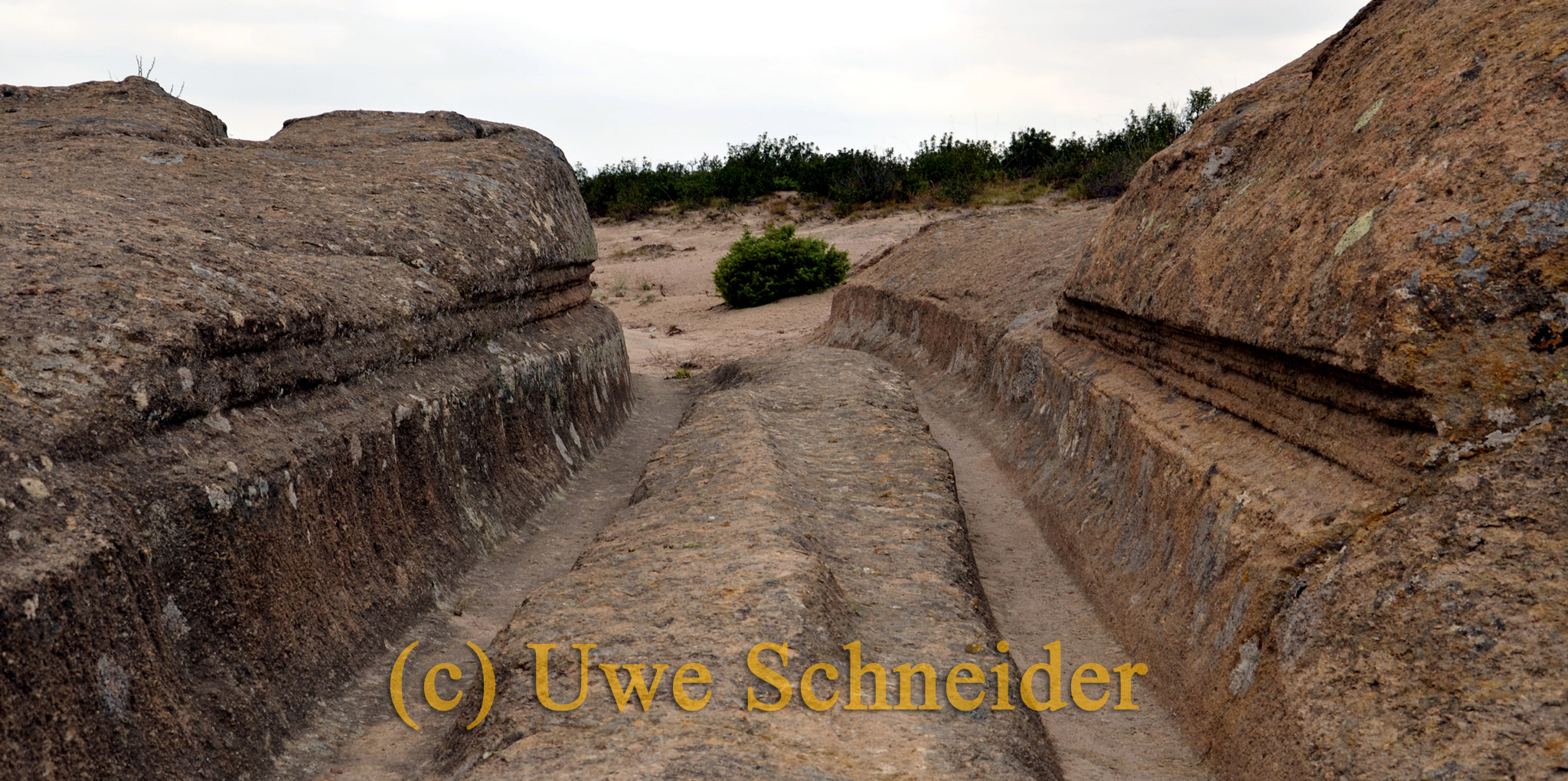
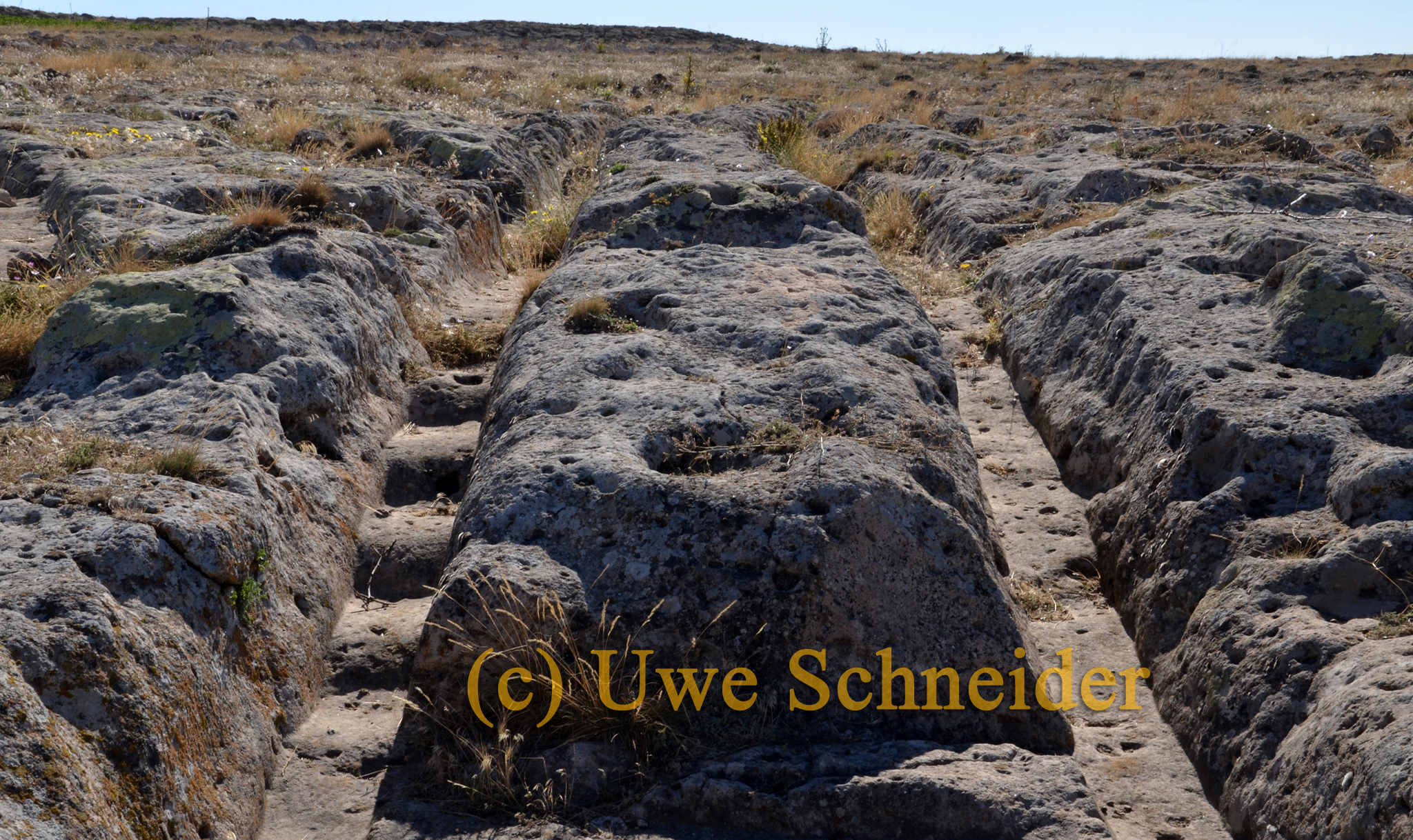
From time to time, step-like structures can also be found within these single tracks, known from Spain, Sardinia, and Cappadocia (Turkey) (Fig. 16).
It is also not uncommon to observe notches positioned at right angles to the tracks which—if one tries to describe them somehow—resemble traces left by tracked vehicles. These features have been documented in the USA, Spain, Sicily and Sardinia (Italy), Malta, western Anatolia, Cappadocia (Turkey), Crimea, and China (Fig. 17).
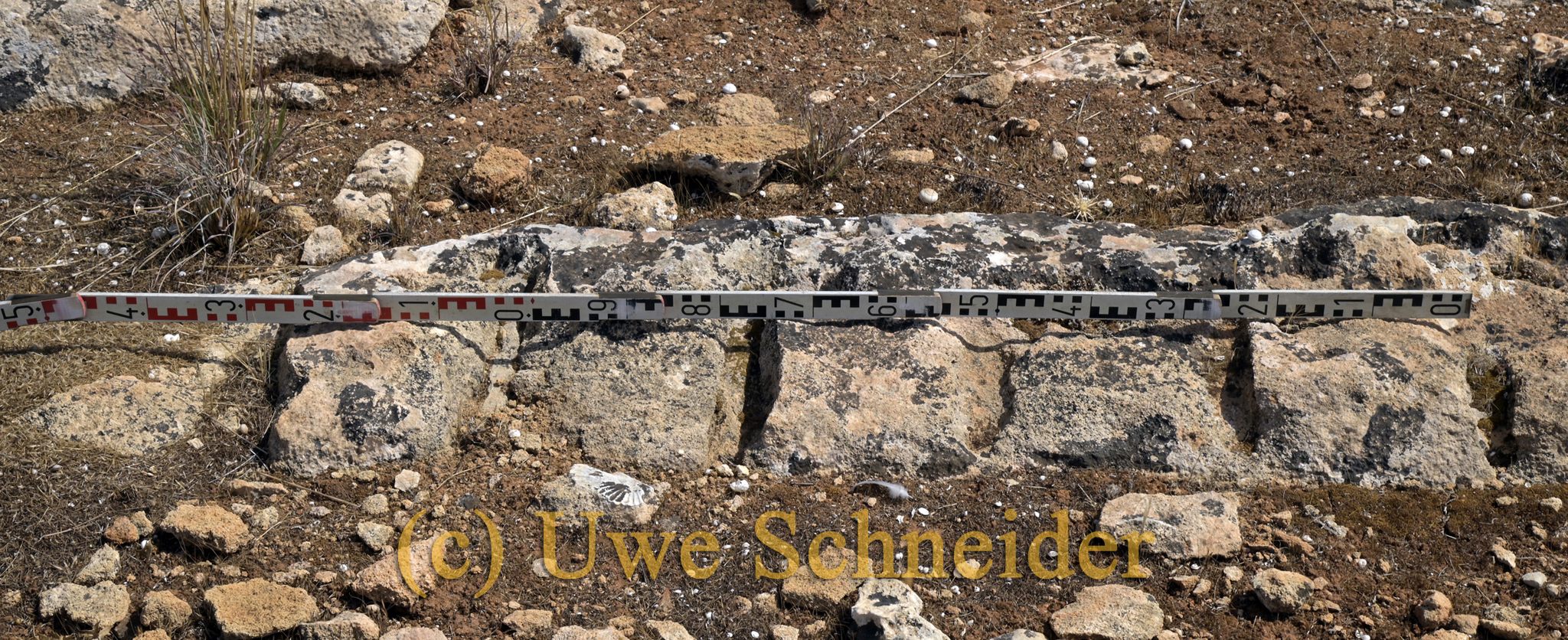
In Spain and in Cappadocia (Turkey), cart ruts can be observed that, due to significant differences in erosion, must originate from clearly different periods. Evidently older tracks are abruptly cut by younger ones (Fig. 18).
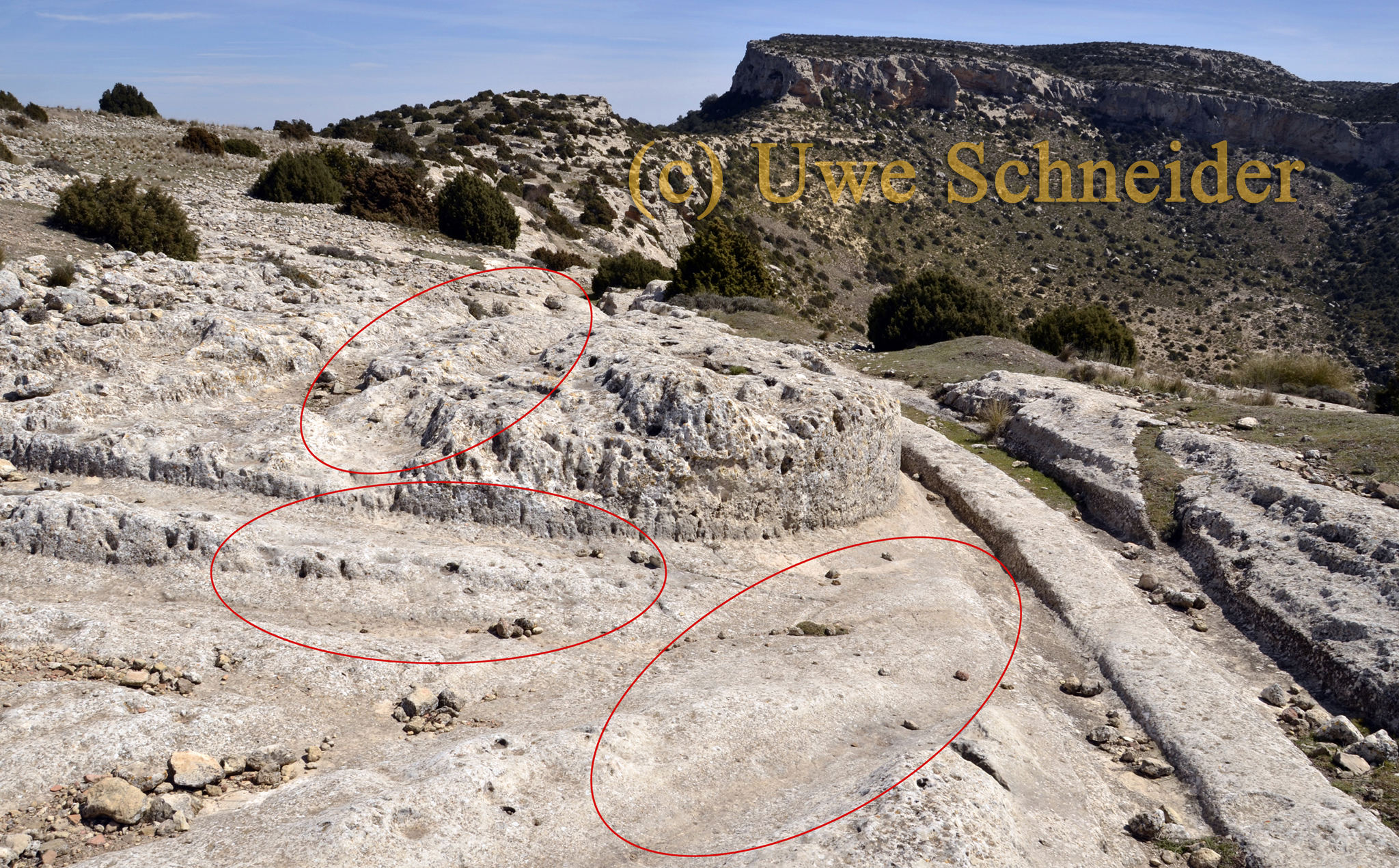
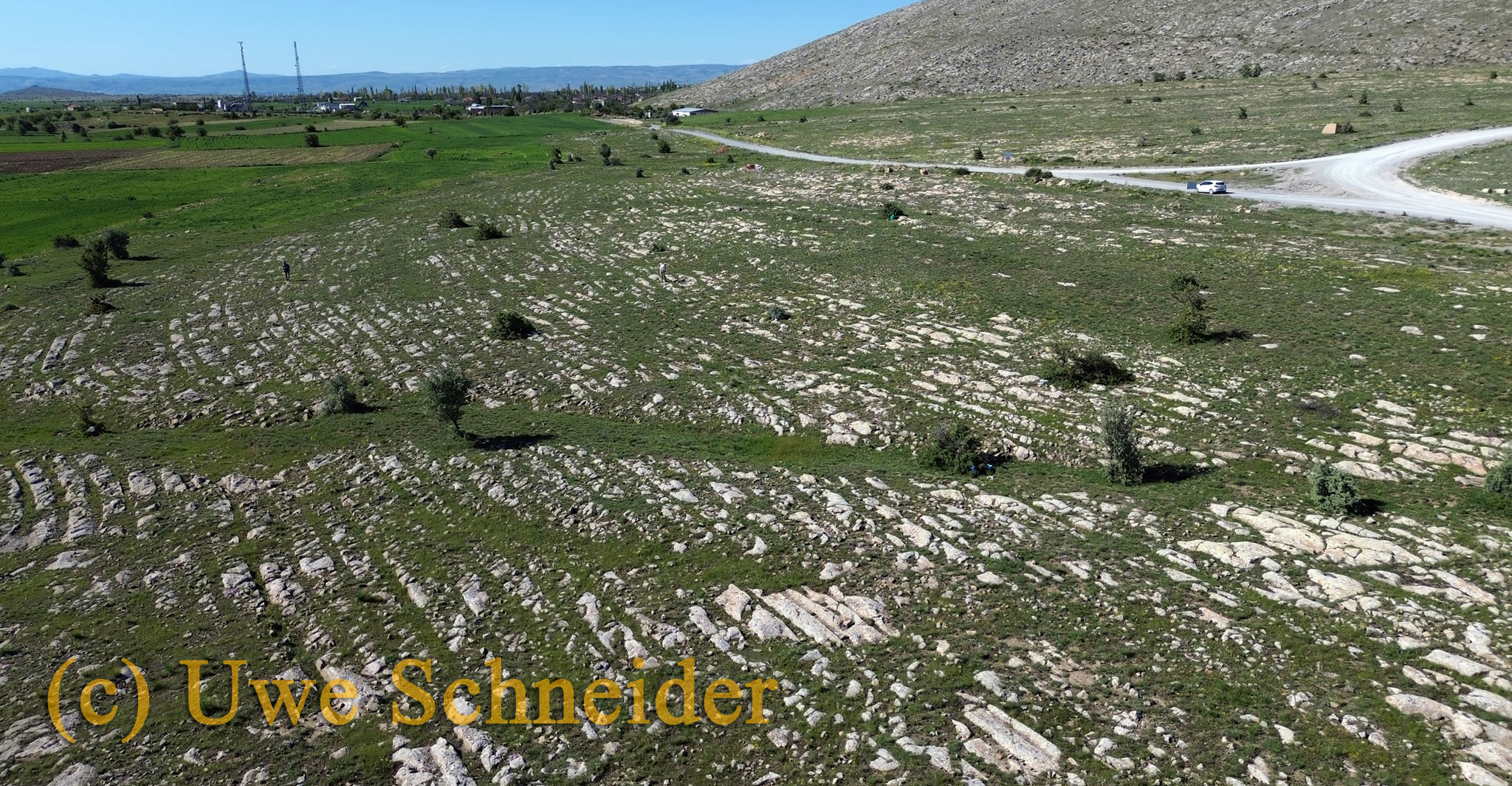
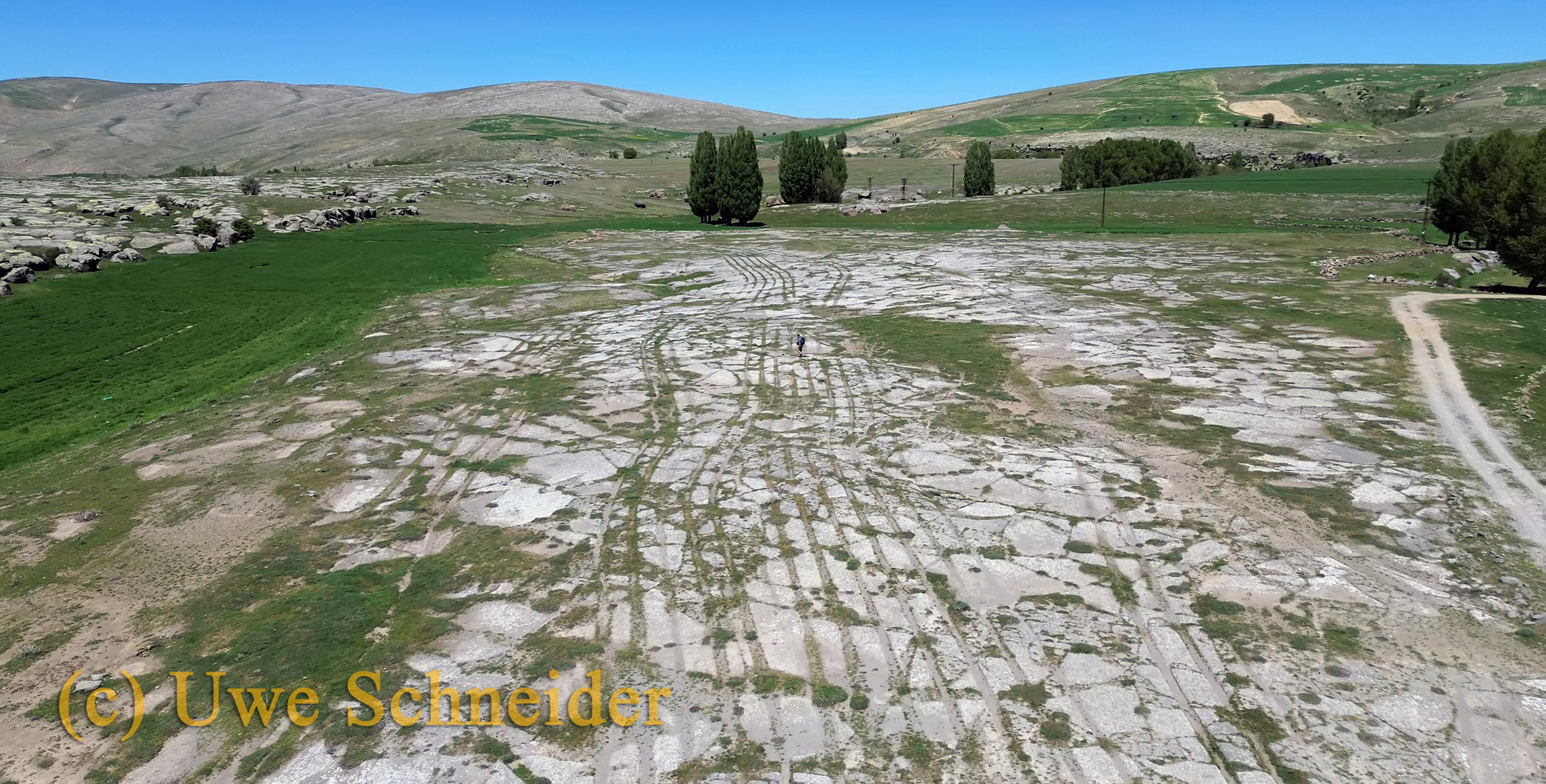
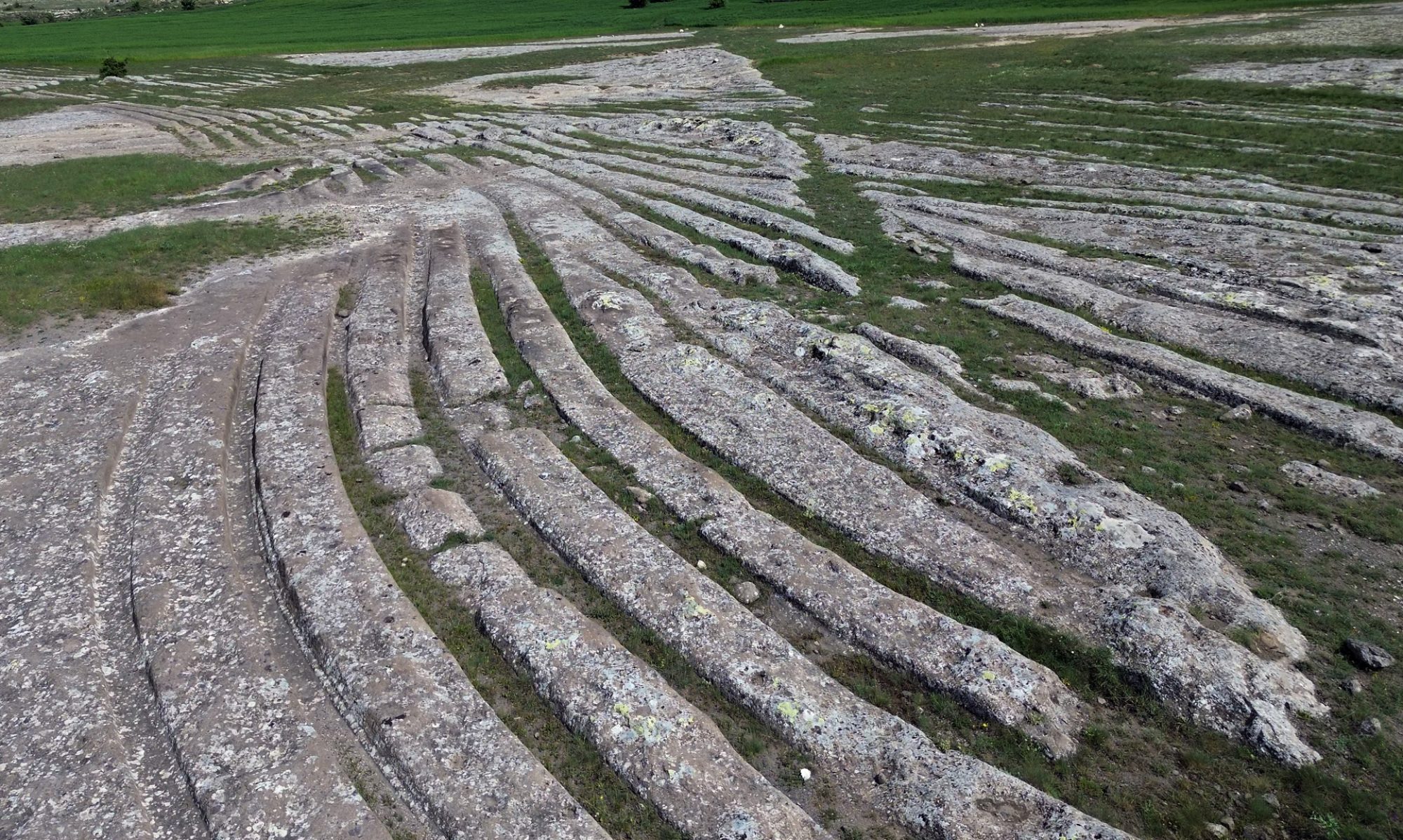
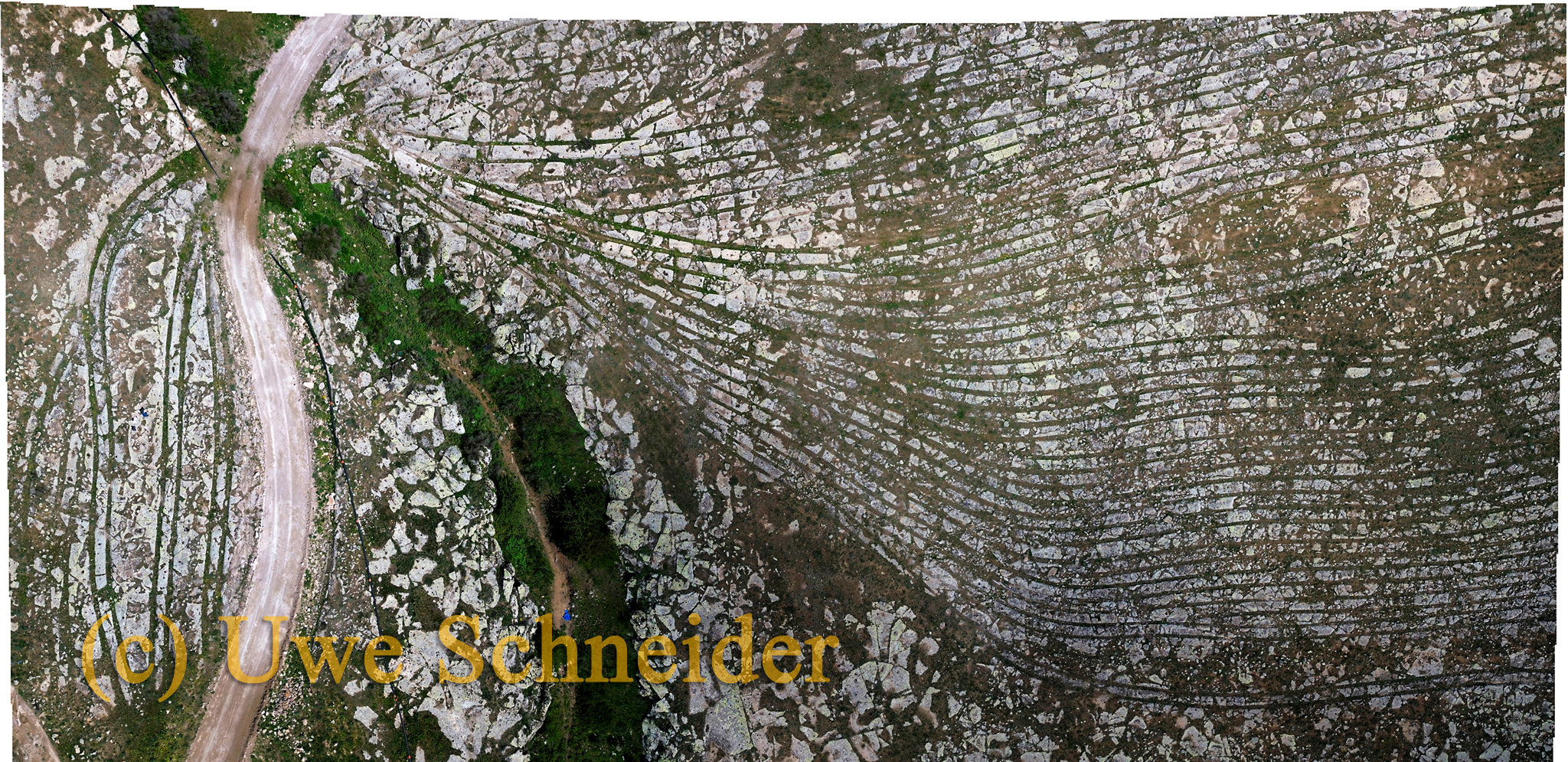
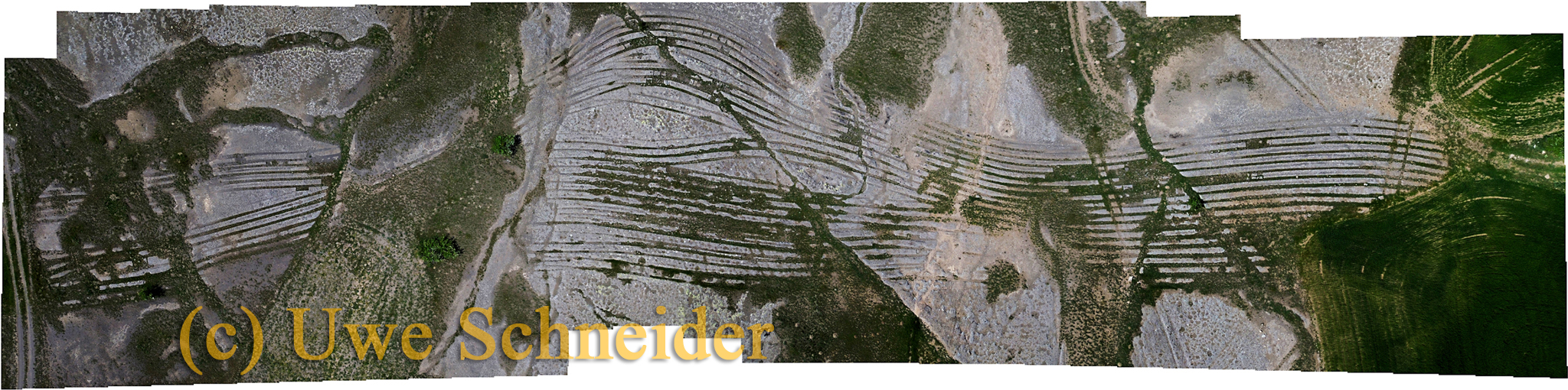
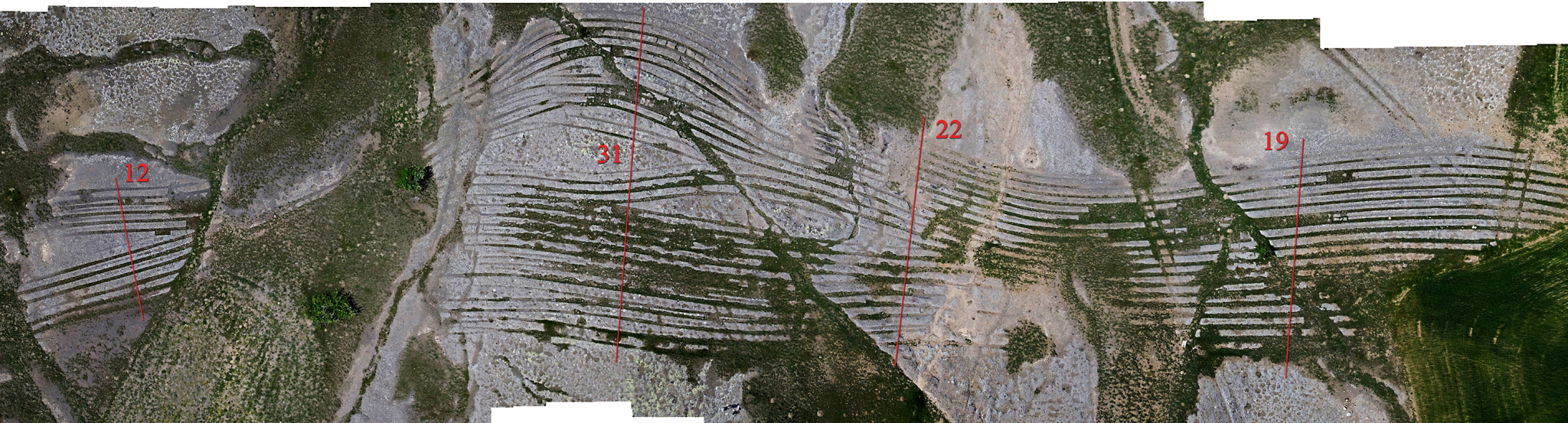
Of all the countries in which cart ruts occur, Turkey plays a particularly important and remarkable role. In western, central, and eastern Anatolia, within volcanic tuff formations, there are not only areas with relatively few tracks but also vast regions containing seemingly endless numbers of them. These can extend across widths of up to 330 meters and, with interruptions, can be traced for well over 20 kilometers.
In addition to areas with chaotic track patterns, there are also regions where the tracks appear to have been arranged almost artistically, as if following a kind of choreography. When viewed from a bird’s-eye perspective, one might even gain the impression that they were created according to the algorithm of an imaginative artificial intelligence—seemingly detached from any conventional reality.
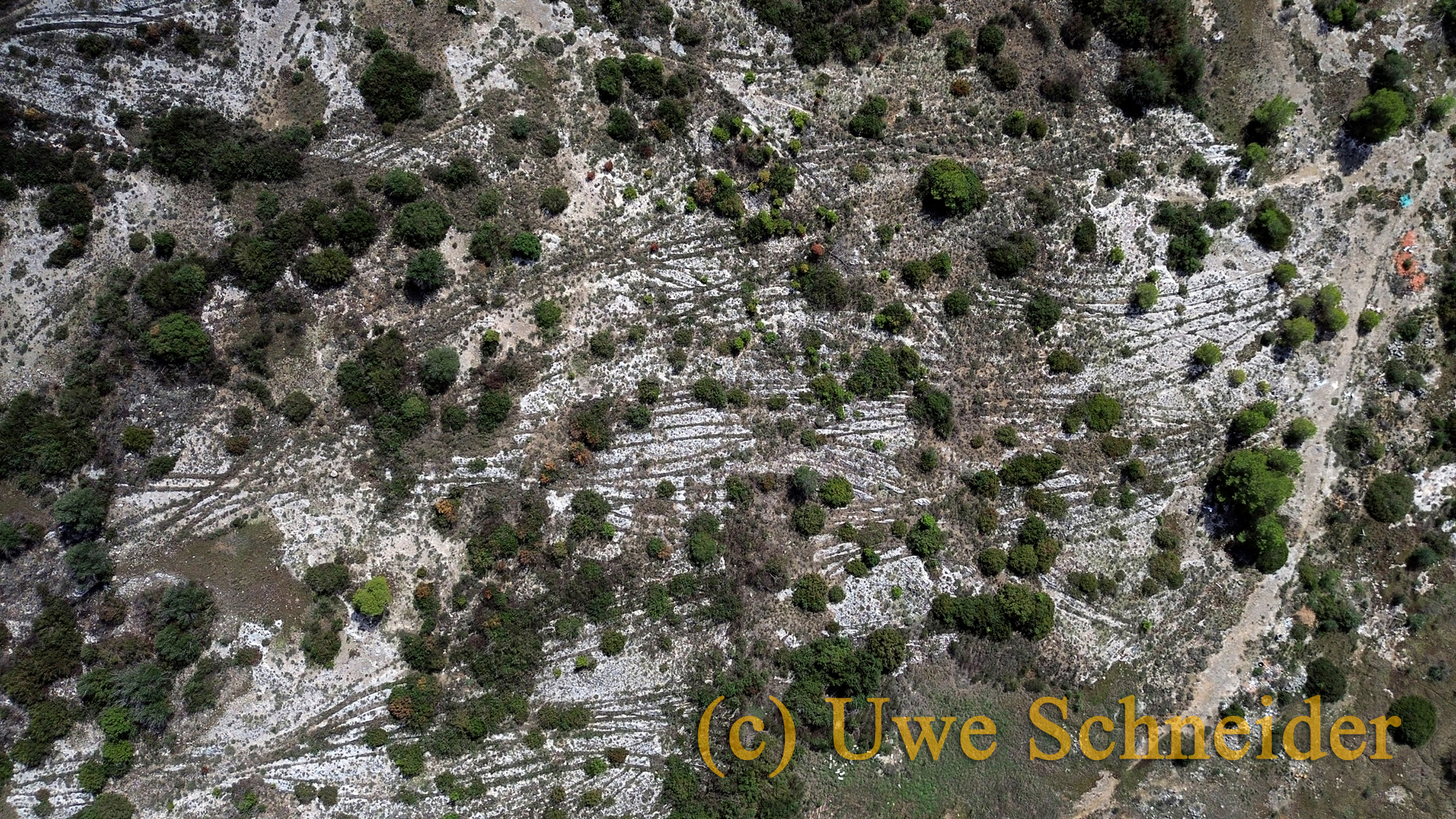
In Apulia, southern Italy, there are also vast limestone areas—comparable in size to football fields—containing countless tracks. However, these display consistently chaotic patterns and are significantly more eroded than the tracks found in Anatolia.
Initial Thoughts on the Characteristics
The first question that arises for me is which processes led to the formation of these tracks in the different types of rock. After examining many hundreds of cart ruts, I have not come across a single track that gives the impression of having been deliberately carved into the rock with tools. Leaving aside tracks that have been damaged by erosion, the grooves run smoothly and elegantly through the rock.
And it is certainly highly unlikely that these deep grooves were created by repeated traffic following exactly the same route—down to the centimeter. On this issue, Swiss researchers conducted an abrasion experiment, which showed that with a load of 100 kg and after 10,000 passes, the rock exhibited only 1–2 mm of wear.
Moreover, the proposed vehicles were certainly not moving with their brakes applied.
At present, no coherent and plausible explanation is in sight (Figs. 22 and 23).
Furthermore, we are faced with the problem that there are no traces whatsoever of the often-assumed draft animals. For twelve years now, I have been studying this subject, and I have never seen a single track showing any indication of this—not even remotely.
Instead, as described, grinding and scratch marks are not uncommon in the center of the tracks.
Another detail, not infrequently observed, is the presence of ledges alongside the tracks, which give the impression that there may have been different phases of their formation or use. These features have been documented in the USA, Spain, France, Italy, Germany, Malta, Crimea, and Turkey (Figs. 24 and 25).
Cart ruts in Europe and Asia Minor are often described as former Roman trade routes, for example as part of the Via Domitia. However, this raises the question of why these supposedly important routes did not develop into more substantial transport networks over time. In addition, these cart ruts exhibit varying track widths.
Another problem is that, particularly in large areas with many tracks, no clear logic in the routing can be identified. The patterns resemble children’s play in a sandbox or the kind of chaotic track formations seen on military training grounds (Fig. 26). These features have been documented on Malta, in Sicily and Sardinia (Italy), in France, and in Turkey.
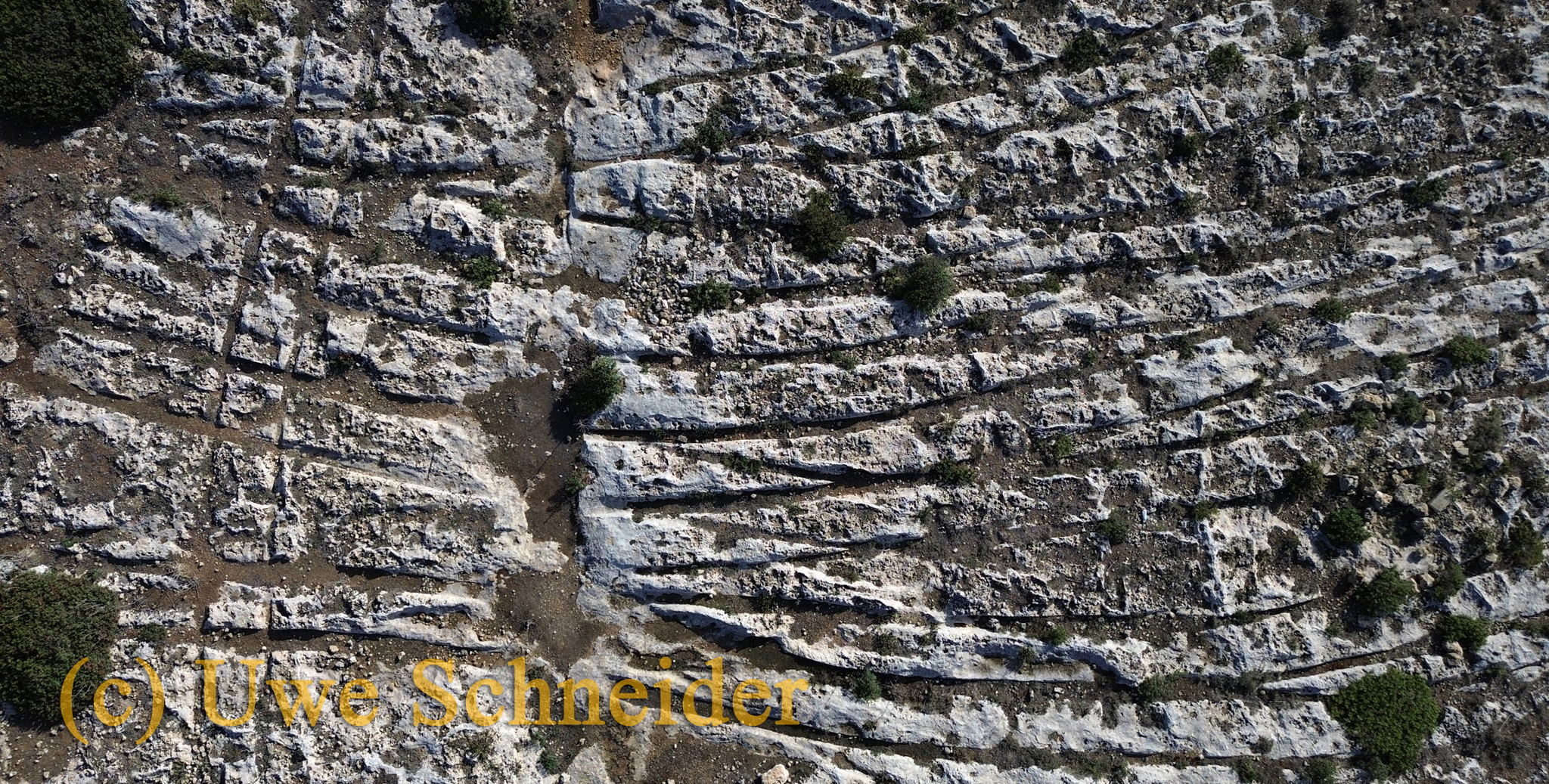
Another critical aspect of this topic, in my view, is the evidence of significant erosion visible in many of the tracks. On Malta, for example, a track disappears from a cliff more than 100 meters above sea level into the mists of the past (Fig. 27). Older locals report that cart ruts once existed on the small rocky island of Filfla, about 5 km off the coast of Malta, but these were reportedly destroyed during military exercises.
In Spain and France, there are also tracks that can be observed disappearing into nothingness at the edges of cliffs.
In general, it can be said that the appearance of these tracks most likely points to a time far preceding our own civilization.
The morphology of these tracks currently makes it impossible to draw conclusions about their formation or a possible age, as no detailed geological investigations have been carried out to date.
State of Research
In our time, access to information is relatively easy. The internet is an enormous help, and without it, we would hardly be able to achieve much by today’s standards. Over the years, for example, I have benefited greatly from the work of Uwe Topper, who was already exploring this subject in the Mediterranean region decades ago and collecting valuable data.

He reported that the tracks were already known in Spanish literature as early as 1794. There is also a statement by José Sabater, who in 1877 remarked: “These tracks will long remain the torment of archaeologists.”
And regarding the impressive site of Castellar de Meca, Zuazo y Palacios issued an appeal to all scholars and archaeologists: “We consider these Iberian ruins to be the most important in Spain!”
But why should cart ruts be a source of concern for archaeologists?
In my view, one reason that may provoke unease is that these tracks simply cannot be properly classified. There are too many peculiar and seemingly purposeless characteristics that challenge logical reasoning and lead to no clear conclusion.
Of course, archaeology has nevertheless addressed this subject—though unfortunately not to the extent that it deserves.
In 1893, Philipp Ballif published a book titled Roman Roads in Bosnia and Herzegovina. The author traveled through the region and investigated several Roman roads, in whose surroundings he also described a number of grooves with the typical characteristics of cart ruts, attributing them to the Romans. The book includes images of extremely eroded grooves. However, no geological analysis or investigation with regard to erosion was carried out.
(Roman Roads in Bosnia and Herzegovina, Philipp Ballif, Vienna, 1893)
On Malta, the British archaeologist John Evans studied the tracks in the 1950s and conducted experiments using draft animals that dragged loaded tree trunks across the terrain. According to David H. Trump, also a British archaeologist who investigated the mystery of cart ruts, these experiments were not successful. Or perhaps they were—since they demonstrated just how difficult it is to create such tracks in hard limestone.
He also appears to have had a fine sense of humor, explaining the absence of footprints from supposed draft animals by suggesting that the carts were pulled by flying geese. Incidentally, he also authored a wonderful—albeit small—book containing many photographs and insights on the subject of cart ruts in Malta.
In this work, he writes that Abela (1649), Houel (1787), and Boisgelin (1805) had already studied the tracks. He also states: “Definitive solutions seem as far away as ever.”
(Cart-Ruts and Their Impact on the Maltese Landscape, David H. Trump, Malta, 2008)
Between 2000 and 2005, a research project on cart ruts was funded under the EU’s CULTURE 2000 program, involving universities from Malta, Spain, and Italy. The resulting book was published in 2005 under the title The Significance of Cart-Ruts in Ancient Landscapes. As part of this project, tracks on Malta were studied and two sites in Spain were described.
In an archaeological study primarily dealing with the necropolises of Su Crucifissu Mannu in Sardinia, the cart ruts found there—whose extent already resembles that of a railway marshalling yard—are described as follows: “They are probably transport tracks, possibly created by rudimentary ‘vehicles’ used in Roman times to move building material extracted near the city of Turris Libisonis.”
Remarkably, however, many of these cart ruts are interrupted by necropolises that were clearly constructed at a later time. In the same study, these are attributed to the Ozieri culture and dated to approximately 3500–3200 BC.
(Hypogeum V of Montalé / Sassari; Necropolises of Su Crucifissu Mannu / Porto Torres, Giovanni M. Demartis, BetaGamma editor, 1999)
At the DAI Istanbul, it is assumed that the tracks were created by carts drawn by oxen, while a Turkish archaeologist known to me insisted quite emphatically that these are traces of quarrying activities.
In the USA, cart ruts are described as tracks left by settlers as they moved westward with countless wagons.
In an email, a geologist expressed the view that these features might be natural geological formations, as can sometimes be found in karst landscapes.
Truly conclusive research findings are therefore still lacking, which means that there remain significant blank spots on the map of the past.
Against this background, a more intensive interdisciplinary investigation of this phenomenon appears to be both reasonable and necessary.
Conclusions
In general, it is assumed that, based on their morphology, cart ruts are tracks left by vehicles. This idea is very compelling, but in my opinion there is still no clear proof for it. But what else could these tracks be? Unfortunately, this question can be answered just as little as all the others that have already been raised on this subject.
In light of the many peculiar details that show no discernible purpose, and the existence of tracks in which no vehicle could possibly travel, I now consider it possible that these are not vehicle tracks at all, but something entirely beyond our current understanding.
In my view, another very important reason to pursue intensive research is the striking similarities of these tracks across all continents. If they were merely simple traces left by the use of carts, one would not expect the distinctive and often bizarre accompanying features found worldwide in their surroundings. And in that case, cart ruts should be found everywhere, since carts were widespread and used for thousands of years.
All of this suggests that we are dealing with a completely misunderstood mystery of the past.
With regard to future research, I believe that geological and geomorphological investigations should take priority. Experts with knowledge of stone working are also needed. It is important to understand how different types of rock respond to external influences.
Furthermore, the tracks should be presented to specialists from the field of vehicle engineering, as there are numerous examples that could not be traversed by any vehicles known to us.
I think that this subject deserves far more than a niche existence, as it concerns entirely unknown territory on the map of history. I am even of the opinion that these tracks deserve a place on the UNESCO World Heritage list.
Unfortunately, we are already witnessing tracks being destroyed by construction activities or disappearing beneath building debris and leftover concrete.
As a private individual, I am not in a position to organize or finance geological and archaeological research. Nevertheless, what I can do is collect detailed information on cart ruts in order to demonstrate that the characteristics of these tracks are consistent worldwide—and that they therefore represent a completely unknown chapter of what is likely a more distant past.
I believe that, in order to truly understand our past, intensive research into this subject should be undertaken.